Are you struggling to keep your portable air conditioner working efficiently? One simple step can make a huge difference: proper venting.
If your AC isn’t vented correctly, it can’t cool your space the way you want it to. In this guide, you’ll learn exactly how to vent your portable air conditioner quickly and easily. By the end, you’ll know the best tips to keep your room cool and your energy bills low.
Ready to make your portable AC work like a charm? Let’s dive in!

Credit: www.reddit.com
Why Venting Matters
Venting a portable air conditioneris key for removing hot air from the room. The unit pulls warm air from inside and cools it, but the heat must go somewhere. Without venting, the hot air stays inside, making the room warmer.
The vent hose directs hot air outside through a window or wall. This keeps the air cooler and helps the unit work better. Proper venting prevents heat buildupand makes cooling faster.
Using a vent also saves energy. The air conditioner does not have to work as hard. This can lower electricity billsand extend the unit’s life.

Credit: www.amazon.ca
Types Of Portable Ac Vents
Window vent kitsare the most common way to vent portable air conditioners. They fit into your window and let hot air escape outside. These kits usually come with adjustable panels to fit different window sizes. They are easy to install and remove.
Sliding door adaptorswork well for sliding doors instead of windows. They create a seal in the door frame. This stops hot air from coming back inside. These adaptors are good for rooms with sliding doors and need proper measurement.
Through-the-wall optionsinvolve cutting a hole in the wall. The vent pipe goes through this hole to the outside. This method is more permanent and keeps the room neat. It requires more work but is effective for long-term use.
Choosing The Right Location
Place the portable air conditioner near a window or doorto vent hot air outside easily. Make sure the window or door opens wide enough for the vent hose. Avoid spots blocked by furniture or curtains. The vent hose should be straight and short for better airflow.
Avoiding obstaclesis key. Keep the vent hose clear of sharp bends or kinks. These can reduce the cooling power and cause the unit to overheat. Check that no objects block the air intake or exhaust.
Safety considerationsinclude ensuring the vent hose is securely attached. Loose hoses can let hot air back inside. Also, avoid placing the unit near water or heat sources. Use a sturdy window kit to prevent bugs or rain from entering through the window gap.
Step-by-step Vent Installation
Measure the window space carefully. The vent kit should fit well. Clear the area for easy installation.
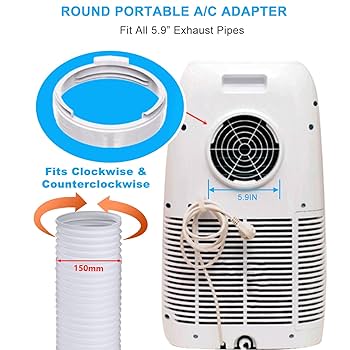
Attach the exhaust hose firmly to the air conditioner. Make sure it clicks or screws in place. This hose carries hot air outside.
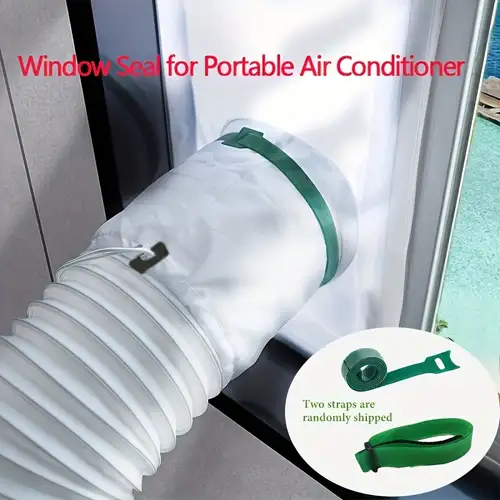
Place the vent panel into the window gap. Adjust the panel to fit tightly. The panel holds the hose outside.
Seal gaps with foam or tape to stop air leaks. This keeps cool air inside and hot air outside. Check all edges for gaps.
Maintaining Your Vent Setup
Clean the hose and ventregularly to keep air flowing well. Dust and dirt can block the vent, making the air conditioner less effective. Use a damp cloth to wipe the hose and vent. Avoid using harsh chemicals that can damage parts.
Check the hose for leaks or cracks. Even small holes let warm air inside, reducing cooling power. Seal any leaks with tape made for air ducts. Replace the hose if it is too damaged.
For seasonal storage, remove the hose and clean it thoroughly. Let all parts dry completely before storing. Store the hose and vent in a dry place away from direct sunlight. This prevents damage and keeps parts ready for next use.
Credit: www.temu.com
Troubleshooting Common Issues
Excess heat build-upcan cause your portable air conditioner to work poorly. Keep the vent hose straight and freefrom obstructions. Avoid placing the unit near heat sources like ovens or direct sunlight. Make sure the room has good airflowto help remove hot air.
Condensation problemshappen when moisture collects inside or around the unit. Check if the drain panis full and empty it if needed. Use the drain hoseto let water flow out. Clean filters often to stop moisture build-up.
Vent hose kinksblock air flow and reduce cooling. Always keep the hose straight or gently curved. Avoid sharp bends or pinching. Use the right hose lengthrecommended by the manufacturer for best results.
Frequently Asked Questions
How Do You Vent A Portable Air Conditioner?
To vent a portable air conditioner, attach the exhaust hose to the unit. Place the other end outside through a window kit. Ensure there are no kinks in the hose. The window kit ensures a secure fit, preventing air leaks.
Follow the manufacturer’s instructions for optimal performance.
Can You Vent A Portable Ac Through A Wall?
Yes, you can vent through a wall. Drill a hole slightly larger than the exhaust hose. Insert the hose and seal around it to prevent leaks. Ensure the vent location is away from obstructions. Always follow manufacturer guidelines for proper installation.
Is Window Venting Mandatory For Portable Acs?
Window venting is recommended for optimal efficiency. It helps expel hot air outside, maintaining a cool indoor environment. Without proper venting, the unit may not cool effectively. Consider alternative venting options if a window is unavailable. Always consult the user manual.
What Happens If You Don’t Vent A Portable Ac?
Without venting, the unit recirculates hot air, reducing efficiency. It may overheat or increase indoor humidity levels. Proper venting ensures effective cooling and prolongs the unit’s lifespan. Always follow the manufacturer’s instructions for best results.
Conclusion
Properly venting a portable air conditioner keeps your room cool and fresh. Use the right window kit and seal all gaps tightly. Make sure the exhaust hose is straight and not bent. Avoid blocking the vent to keep air flowing well.
Check the vent often for dust or leaks. Follow these simple steps for better cooling and comfort. Venting your unit correctly saves energy and reduces heat inside. Enjoy a cooler space with easy vent setup.