Your sleeping bag is your best friend on every outdoor adventure, keeping you warm and comfortable through chilly nights. But after many trips, it’s bound to get dirty and smelly.
Washing your sleeping bag in a washing machine might sound tricky, and you might worry about ruining it. Don’t worry—you’re about to learn simple, step-by-step tips that make cleaning your sleeping bag easy and safe. Keep reading, and you’ll discover exactly how to freshen up your gear so it’s ready for your next trip, without any damage or hassle.
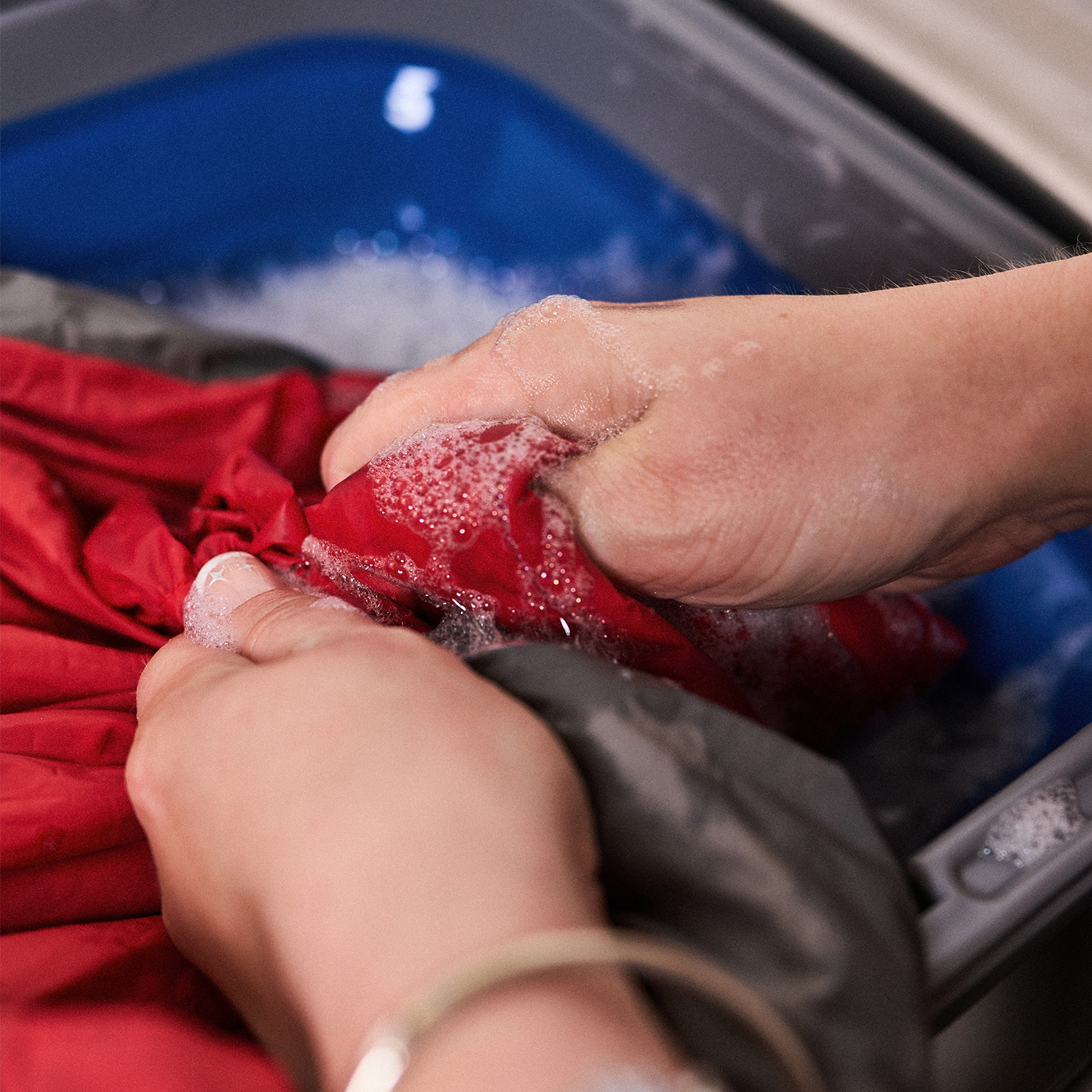
Credit: www.ellis-brigham.com
Choosing The Right Washing Machine
Washing a sleeping bag needs care and the right machine. Picking the right washer helps keep it clean without damage.
Some washers work better for big items like sleeping bags. Knowing the type and size of machine is important.
Front Load Vs Top Load Machines
Front load machines use less water and spin faster. They clean sleeping bags gently and remove more water.
Top load machines may use more water and have a central agitator. This can be rough on sleeping bags and cause wear.
- Front load washers protect fabric better
- Top load machines can be rougher on the bag
- Front load spin speed dries sleeping bags more
- Top load washers often use more water
Capacity Considerations
Choose a washing machine with enough space for your sleeping bag. A small washer can squash and damage it.
Large capacity washers allow the sleeping bag to move freely. This helps clean and rinse it well.
- Use machines with at least 4.5 cubic feet capacity
- Check the sleeping bag size before washing
- Overcrowding can cause poor cleaning
- More space means less damage risk

Credit: www.halfwayanywhere.com
Preparing Your Sleeping Bag
Cleaning your sleeping bag in a washing machine needs careful preparation. Proper steps keep it safe and clean.
Start by getting your sleeping bag ready. This helps avoid damage during washing.
Check Care Labels
Look at the care label sewn inside your sleeping bag. It shows washing instructions and limits. Follow these to keep the fabric and insulation intact.
- Find washing temperature limits
- Check for bleach restrictions
- See if machine washing is allowed
- Note drying instructions
Remove Loose Dirt And Debris
Before washing, clear off dirt and particles. This keeps your machine clean and improves washing results.
- Shake the sleeping bag outdoors to remove dust
- Use a soft brush to clean stubborn dirt
- Spot clean stains with a mild soap if needed
Close Zippers And Velcro
Secure all zippers and Velcro straps before washing. This protects the fabric and keeps the bag’s shape.
| Item | Reason to Close |
| Zippers | Prevent snagging or damage |
| Velcro Straps | Stop sticking to other fabrics |
| Drawstrings | Keep the bag’s shape intact |
Selecting The Best Detergent
Washing your sleeping bag in a machine needs the right detergent. The detergent helps clean without hurting the fabric.
Choosing the best detergent keeps your sleeping bag soft and safe for many uses.
Use Mild Or Specialized Detergents
Pick mild detergents made for delicate fabrics. These detergents clean well and do not harm the sleeping bag’s material.
Specialized detergents for outdoor gear are a good choice. They keep the insulation and water resistance intact.
- Mild detergent avoids damage to fabric fibers
- Specialized detergents protect insulation quality
- Gentle cleaning helps maintain water repellency
Avoid Fabric Softeners And Bleach
Do not use fabric softeners. They can clog the sleeping bag’s fabric and reduce breathability.
Avoid bleach as it weakens the fabric and can cause color loss. It also harms the insulation inside the bag.
- Fabric softeners block air flow in the fabric
- Bleach weakens fibers and causes fading
- Both reduce the sleeping bag’s lifespan
Choosing The Right Wash Cycle
Washing a sleeping bag in a machine needs care. Picking the right wash cycle protects the fabric and filling.
Using the correct cycle stops damage and keeps your sleeping bag clean and soft.
Delicate Or Gentle Cycle
The delicate or gentle cycle uses slow washing and spinning. This reduces stress on the sleeping bag’s fabric and insulation.
This cycle prevents tears and clumping of the filling inside the sleeping bag.
- Use a mild detergent made for delicate fabrics
- Avoid heavy agitation to keep the filling evenly spread
- Limit spin speed to avoid damaging seams
Cold Water Settings
Cold water protects the sleeping bag’s materials. It stops shrinking and color fading.
Using cold water saves energy and keeps your sleeping bag looking new longer.
- Set your machine to use water below 30°C (86°F)
- Cold water helps maintain the filling’s loft and warmth
- It reduces the risk of fabric damage or shrinking
Drying Your Sleeping Bag
After washing your sleeping bag in the machine, drying it properly is key. Proper drying keeps the insulation fluffy and extends the bag’s life.
Choose the right drying method to avoid damage. Below are tips to dry your sleeping bag safely and well.
Tumble Drying On Low Heat
Use a dryer set on low heat to dry your sleeping bag. High heat can harm the fabric and insulation inside.
Check the sleeping bag often while drying. Remove it as soon as it feels dry to avoid overheating.
Using Dryer Balls To Fluff
Put a few dryer balls in the dryer with your sleeping bag. They help break up clumps of insulation inside.
Dryer balls keep the sleeping bag soft and full. They speed up drying by moving air through the bag better.
- Use 2 or 3 dryer balls for best results
- Clean the dryer balls before use
- Replace balls if they wear out
Air Drying Tips
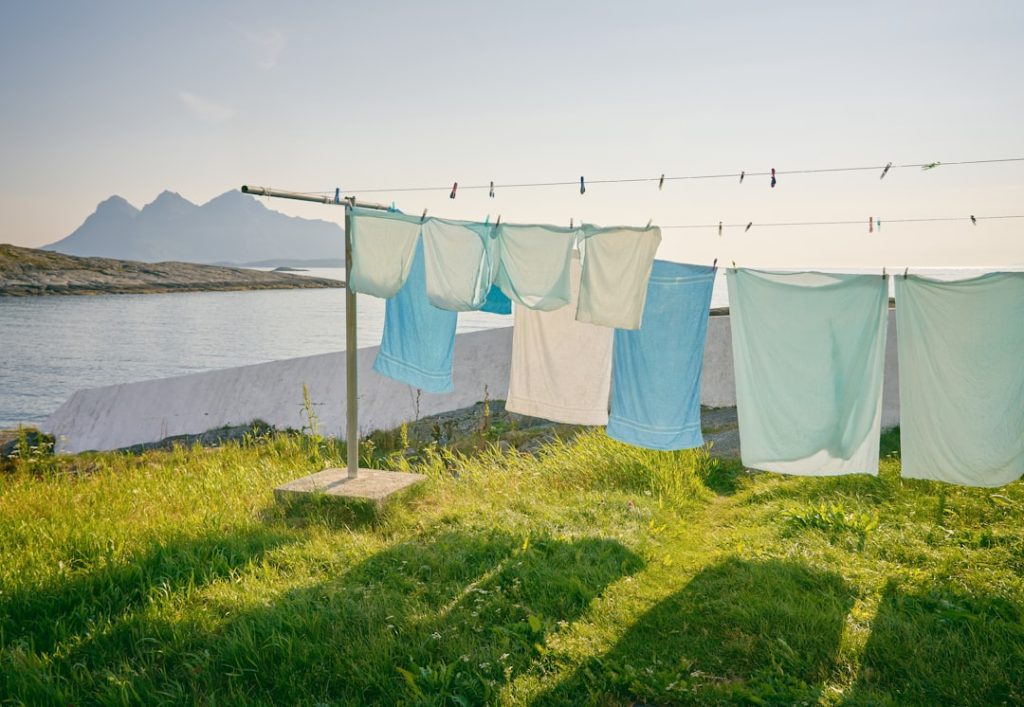
If you air dry your sleeping bag, hang it in a dry, shaded spot. Avoid direct sunlight to protect the fabric.
Lay the bag flat sometimes to keep the filling from settling. Flip and shake it gently every few hours.
- Use a clothesline or drying rack
- Keep the area well-ventilated
- Do not fold the bag while drying
Maintaining Your Sleeping Bag Post-wash
Cleaning your sleeping bag in a washing machine helps keep it fresh. Proper care after washing keeps it soft and warm.
Following simple steps can extend your sleeping bag’s life. It stays comfortable for many camping trips.
Proper Storage
Store your sleeping bag in a large, breathable bag. Avoid tight compression after washing.
Hanging the bag or using a loose cotton sack keeps the insulation from getting damaged. Keep it dry and away from direct sunlight.
- Use a wide mesh or cotton storage sack
- Do not store in a compressed stuff sack long-term
- Hang it in a cool, dry place
- Avoid direct sunlight and damp areas
Regular Cleaning Frequency
Clean your sleeping bag only when needed. Washing too often can wear out the materials.
Spot clean small stains and air out your bag after use. Full washes should be done a few times a year, depending on use.
- Air out your sleeping bag after every trip
- Spot clean stains as soon as possible
- Wash fully 2-3 times per year for regular campers
- Wash more often if used in dirty or wet conditions

Credit: www.familyhandyman.com
Frequently Asked Questions
How Do I Prepare A Sleeping Bag For Machine Washing?
Before washing, zip up the sleeping bag fully and close all Velcro straps. Remove any dirt or debris by shaking it out. Use a gentle detergent designed for down or synthetic materials. Avoid fabric softeners as they can damage the insulation.
What Washing Machine Settings Are Best For Sleeping Bags?
Use a front-loading washing machine on a gentle or delicate cycle. Select cold or warm water, not hot, to protect the fabric and insulation. Avoid high spin speeds to prevent damage and uneven filling inside the bag.
Can I Use Regular Detergent To Wash Sleeping Bags?
No, regular detergents can strip natural oils from down insulation. Use a mild, specially formulated cleaner for down or synthetic sleeping bags. This protects the loft and maintains warmth and softness over time.
How Do I Dry A Sleeping Bag After Machine Washing?
Tumble dry on low heat with clean tennis balls or dryer balls. These help break up clumps and restore loft. Avoid high heat or direct sunlight, which can damage the fabric and insulation fibers.
Conclusion
Cleaning sleeping bags is simple with a washing machine. Follow the steps outlined to keep your gear fresh. Always check the care label first. Use a gentle detergent to protect the fabric. Choose a delicate cycle for safety. Dry thoroughly to prevent mold.
Caring for your sleeping bag prolongs its life. Enjoy cozy nights in a clean sleeping bag. Proper maintenance saves money and enhances comfort. Stay prepared for your next adventure. Keep your gear in top condition. Happy camping!