
Are you wondering if ash wood is the right choice for your cutting board? Choosing the perfect wood can make a big difference in how your cutting board holds up over time.
You want something durable, safe, and easy to maintain. Ash has become a popular option, but is it truly good for cutting boards? Keep reading to discover the surprising benefits—and a few things to watch out for—so you can make the best decision for your kitchen.
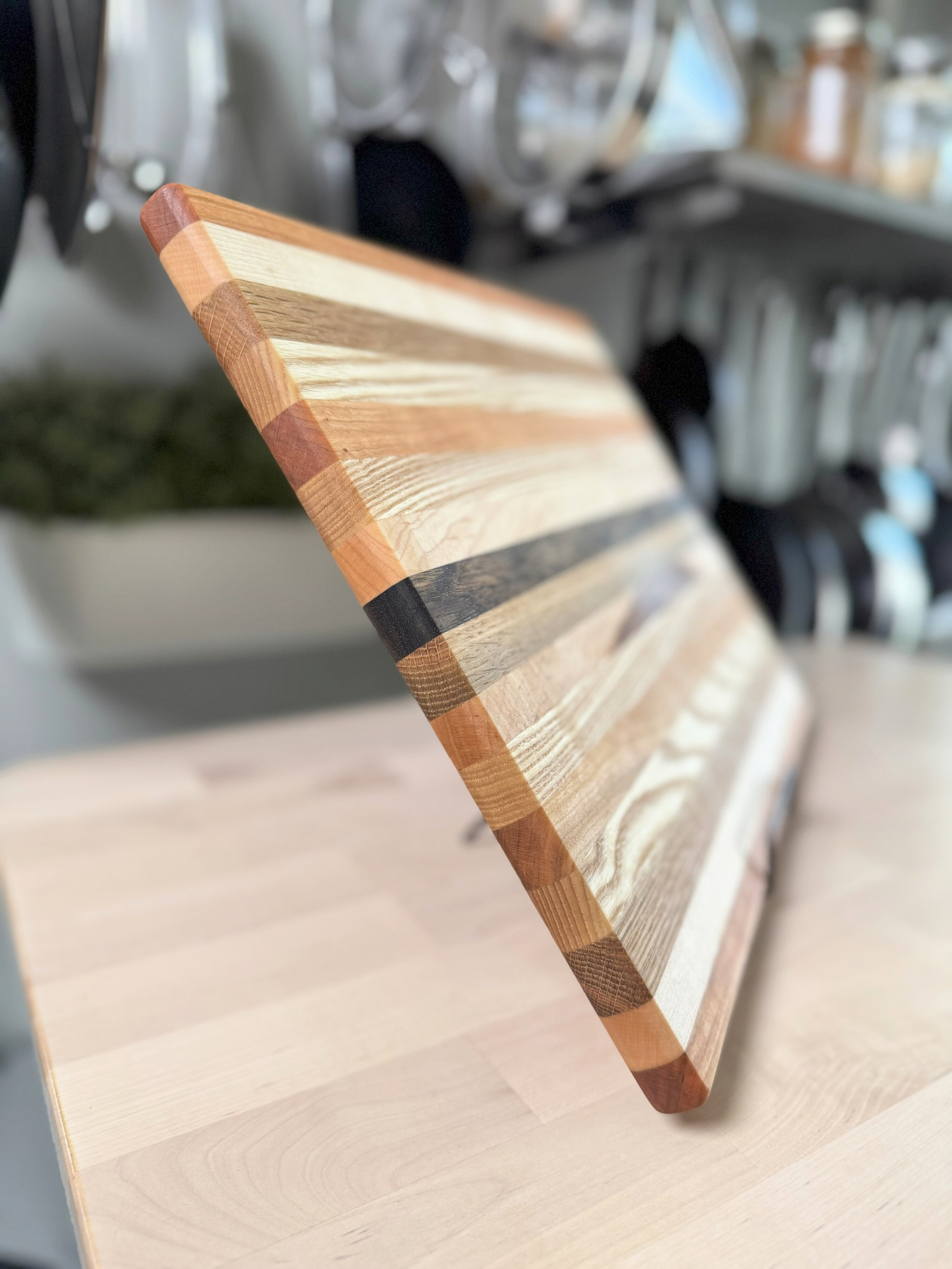
Credit: www.ottawalumberbin.ca
Properties Of Ash Wood
Ash wood is a popular choice for many woodworking projects. It is known for its unique qualities that make it suitable for cutting boards.
This article explores the grain, durability, and moisture resistance of ash wood to help you understand its uses better.
Grain And Texture
Ash wood has a straight grain that is easy to work with. The texture is coarse but smooth after sanding.
- The grain is usually uniform and attractive.
- Its open pores give a natural look.
- The wood finishes well with oils or varnishes.
Durability And Hardness
Ash is strong and hard enough to resist dents and scratches. This makes it useful for surfaces that see heavy use.
| Property | Rating |
| Janka Hardness | 1320 lbf |
| Durability | Moderate |
| Shock Resistance | High |
Moisture Resistance
Ash wood absorbs moisture more than some hardwoods. Proper sealing helps protect it from water damage.
Tips to improve moisture resistance:
- Apply food-safe oil regularly.
- Avoid soaking the board in water.
- Dry the board quickly after washing.
Benefits Of Ash For Cutting Boards
Ash wood is a popular choice for cutting boards. It has many good qualities that make it useful in the kitchen.
This wood is strong, safe for knives, and looks nice. Many people like using ash for their cutting boards.
Knife Friendliness
Ash wood is soft enough to protect knife edges. It does not dull knives quickly, so blades stay sharp longer.
The wood has a tight grain that prevents deep cuts. This keeps the board smooth and safe for knives.
Aesthetic Appeal
Ash has a light color with a natural grain pattern. This makes cutting boards look clean and attractive.
The wood can match many kitchen styles. Its natural look fits both modern and classic designs well.
Maintenance And Care
Ash cutting boards are easy to clean with warm water and mild soap. Regular oiling keeps the wood healthy and prevents cracking.
- Wash by hand only; avoid soaking in water
- Dry thoroughly after washing
- Apply mineral oil monthly for best results
- Do not put in dishwasher
Potential Drawbacks Of Ash
Ash wood is popular for cutting boards because of its look and feel. It is strong but not without problems. Knowing its drawbacks helps you choose the right material.
This section covers three main issues with ash cutting boards. These include scratches, water absorption, and how long they last compared to other woods.
Susceptibility To Scratches
Ash wood is softer than some hardwoods used for cutting boards. This softness means it can get scratched easier by knives.
Scratches can make the board look worn out faster. Deep cuts can also trap food particles and bacteria, making cleaning harder.
Water Absorption Concerns
Ash has a more open grain structure than some woods. This makes it soak up water more easily, which can lead to swelling or warping.
Water absorption can also cause the board to crack over time. Proper drying and oiling are needed to reduce these risks.
Longevity Compared To Other Woods
Ash boards may not last as long as boards made from harder woods like maple or walnut. They show wear sooner.
This means you might need to replace ash boards more often if you use them daily. They are less durable in tough kitchen use.
Comparing Ash With Other Popular Woods
Ash is a common wood used for cutting boards. It is strong and has a light color. Many people wonder how it compares to other woods.
This article looks at ash and compares it with maple, walnut, and bamboo. Each wood has its own qualities for cutting boards.
Maple Vs Ash
Maple is a very popular wood for cutting boards. It is hard and has a smooth surface. Ash is also hard but a bit less dense than maple.
Ash has a more open grain than maple. This means ash boards may show knife marks faster. Maple boards are easier to clean because of their tight grain.
- Maple is harder and more durable.
- Ash has a lighter color and open grain.
- Maple resists bacteria better due to tight grain.
Walnut Vs Ash
Walnut is darker and softer than ash. It has a smooth feel and looks rich. Ash is lighter and a bit harder than walnut.
Walnut cutting boards are gentle on knives because of their softness. Ash boards last longer but may dull knives faster.
- Walnut is softer and darker.
- Ash is harder and lighter.
- Walnut is easier on knife edges.
Bamboo Vs Ash
Bamboo is not a wood but a grass. It is very hard and eco-friendly. Ash is a wood with a natural grain and less hardness than bamboo.
Bamboo boards resist water well and are lighter. Ash boards have a classic wood look and feel but absorb more moisture.
- Bamboo is harder and water-resistant.
- Ash has a natural wood grain.
- Bamboo is eco-friendly and light.
Tips For Caring For Ash Cutting Boards
Ash wood is a solid choice for cutting boards. It is strong and has a nice grain. To keep your ash cutting board in good shape, you need to care for it well.
Proper care helps your board last longer and stay safe for food use. Here are some tips on cleaning, oiling, and preventing damage.
Cleaning Techniques
Clean your ash cutting board after each use. Avoid soaking it in water. Use warm, soapy water and a soft sponge. Rinse it well and dry with a towel right away.
- Do not put ash boards in the dishwasher.
- Use mild dish soap only.
- Remove stains with a paste of baking soda and water.
- Disinfect with white vinegar spray if needed.
Oiling And Conditioning
Oiling keeps ash wood from drying out and cracking. Use food-safe mineral oil or cutting board oil. Apply it evenly with a clean cloth. Let it soak in for a few hours or overnight.
| Type of Oil | How Often to Apply | Benefits |
| Mineral Oil | Once a month | Prevents drying and warping |
| Beeswax Conditioner | Every 2-3 months | Adds extra protection and shine |
| Coconut Oil (Refined) | Once a month | Natural and safe for food contact |
Avoiding Warping And Cracks
Keep ash boards flat and dry. Do not leave them in water or near heat sources. Avoid cutting on one spot for too long. Rotate the board often to spread wear evenly.
- Store boards standing upright or flat in a dry place.
- Use both sides of the board to balance use.
- Fix small cracks by sanding and re-oiling.
- Do not expose to sudden temperature changes.

Credit: www.amazon.com
Where To Buy Quality Ash Cutting Boards
Ash is a popular wood for cutting boards. It is strong and has a nice grain. Finding good ash cutting boards means looking in the right places.
Buying from trusted sellers ensures the board lasts long. This guide shows where to buy quality ash cutting boards.
Trusted Brands
Many brands make ash cutting boards. Trusted brands use quality wood and good craftsmanship. They also finish the boards safely for food use.
Look for brands with good reviews and clear product details. Some known brands offer warranties and good customer service.
- John Boos & Co.
- Ironwood Gourmet
- Totally Bamboo
- Boos Blocks
- Teakhaus
Custom-made Options
Custom ash cutting boards let you pick the size and shape. Many woodworkers offer custom boards online or locally. Custom boards often use higher quality ash.
Custom makers also add special features like juice grooves or handles. These boards can be unique and fit your kitchen well.
- Find local woodworkers or carpenters
- Use online craft marketplaces like Etsy
- Request personal design options
- Check wood source and finish quality
Price Range Expectations
The price for ash cutting boards varies by size and maker. Mass-produced boards cost less. Custom or branded boards cost more due to quality.
Expect to pay from $30 for small boards. Larger or custom boards may cost $100 or more. Price reflects wood quality and craftsmanship.
| Type | Price Range | Notes |
|---|---|---|
| Mass-produced | $30 – $60 | Standard sizes, basic finish |
| Trusted brands | $50 – $120 | Better wood, food-safe finish |
| Custom-made | $80 – $200+ | Personalized size, design, features |

Credit: www.amazon.com
Frequently Asked Questions
Is Ash Wood Durable For Cutting Boards?
Yes, ash wood is durable and has good shock resistance. Its hardness protects against knife marks, making it suitable for cutting boards.
Does Ash Wood Resist Bacteria Buildup?
Ash wood has natural antimicrobial properties. It helps reduce bacteria buildup, promoting a safer and more hygienic cutting surface.
How Does Ash Compare To Maple For Cutting Boards?
Ash is slightly softer than maple but still strong. Both woods are great choices, with ash offering a lighter color and good durability.
Can Ash Cutting Boards Handle Moisture Well?
Ash wood has moderate moisture resistance. Proper sealing and regular oiling are necessary to prevent warping and maintain the board’s longevity.
Conclusion
Ash wood works well for cutting boards due to its strength and durability. It resists dents and scratches, keeping your board looking good. The wood is also safe and easy to clean. It does not absorb water quickly, which helps prevent bacteria.
Plus, ash has a nice, natural look that fits many kitchens. Overall, ash makes a practical and attractive choice for cutting boards. Choose ash for a board that lasts long and stays safe. Simple, strong, and stylish—ash stands out.