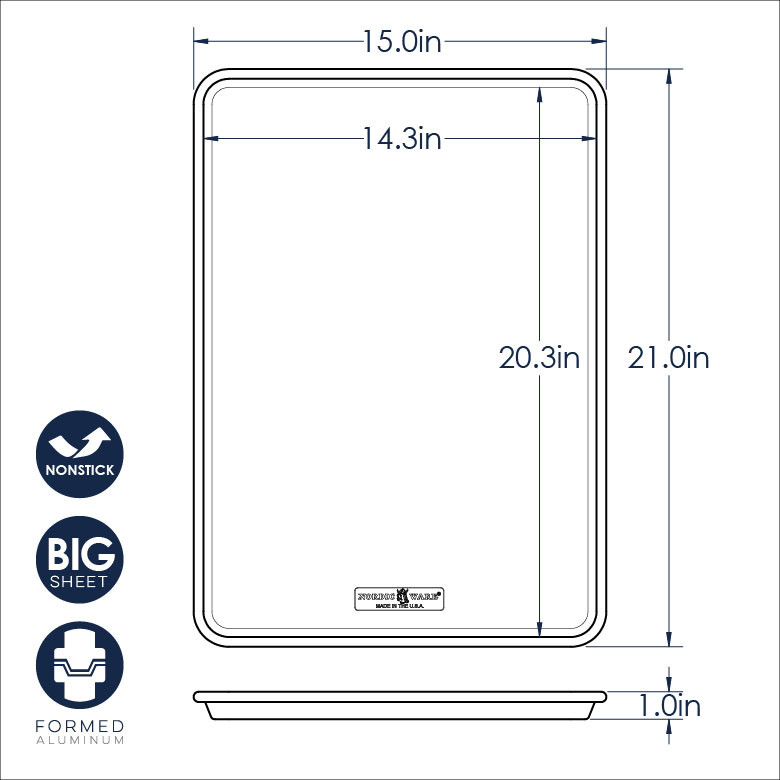
Are you wondering about the exact size of a full sheet pan? Whether you’re baking, roasting, or prepping food for a crowd, knowing the dimensions of your sheet pan can make all the difference.
Imagine having the perfect fit for your oven or the right surface to spread out your ingredients evenly. You’ll discover the standard measurements of a full sheet pan and why it matters for your cooking and baking projects. Keep reading to make sure your kitchen setup is just right!
Standard Full Sheet Pan Size
A full sheet pan is a common kitchen tool used in baking and cooking. It is a large, flat pan with raised edges. Knowing the size helps you choose the right pan for your oven and recipes.
The size of a full sheet pan can vary slightly by brand. But there is a typical size that most people use and recognize in kitchens.
Typical Dimensions
The most common full sheet pan measures about 18 inches by 26 inches. The edges usually rise about 1 inch high. This size fits well in commercial ovens and large home ovens.
| Dimension | Measurement |
|---|---|
| Length | 26 inches (66 cm) |
| Width | 18 inches (46 cm) |
| Height (Edge) | 1 inch (2.5 cm) |
Material Variations
Full sheet pans come in several materials. Each type affects cooking time and pan durability. Here are common materials and their features.
- Aluminum: Lightweight and heats evenly. It is the most common material.
- Stainless Steel: Durable and resists rust. It may heat unevenly.
- Nonstick: Easy to clean but may wear off over time.
- Carbon Steel: Heats quickly and is very strong. It requires seasoning to prevent rust.
Credit: www.crowncookware.com
Common Thickness Options
Full sheet pans come in different thicknesses. The thickness affects how the pan heats and bakes food.
Knowing the common thicknesses helps you pick the right pan for your kitchen needs.
Impact On Baking
Thicker pans hold heat longer and bake food more evenly. Thin pans heat up fast but cool down quickly.
Thin pans may cause hot spots, leading to uneven cooking or burning.
- Thicker pans prevent food from burning easily
- Thin pans bake faster but less evenly
- Thick pans keep heat steady for longer baking times
Choosing The Right Thickness
Choose thickness based on what you bake and how often you use the pan. Thicker pans cost more but last longer.
Thin pans work for quick baking or light use. Heavy baking needs thicker pans for best results.
- Thin (about 18 gauge): Good for light, fast baking
- Medium (about 16 gauge): Balanced for most baking tasks
- Thick (about 14 gauge): Best for heavy, long baking jobs
Full Sheet Pan Variations
Full sheet pans come in different sizes and styles. They are useful in many kitchens for baking and roasting.
Knowing the sizes helps you pick the right pan for your cooking needs. Variations include half and quarter sheets and other pan types.
Half And Quarter Sheet Sizes
Half sheet pans measure about 18 by 13 inches. They fit well in most home ovens and are easier to handle than full sheets.
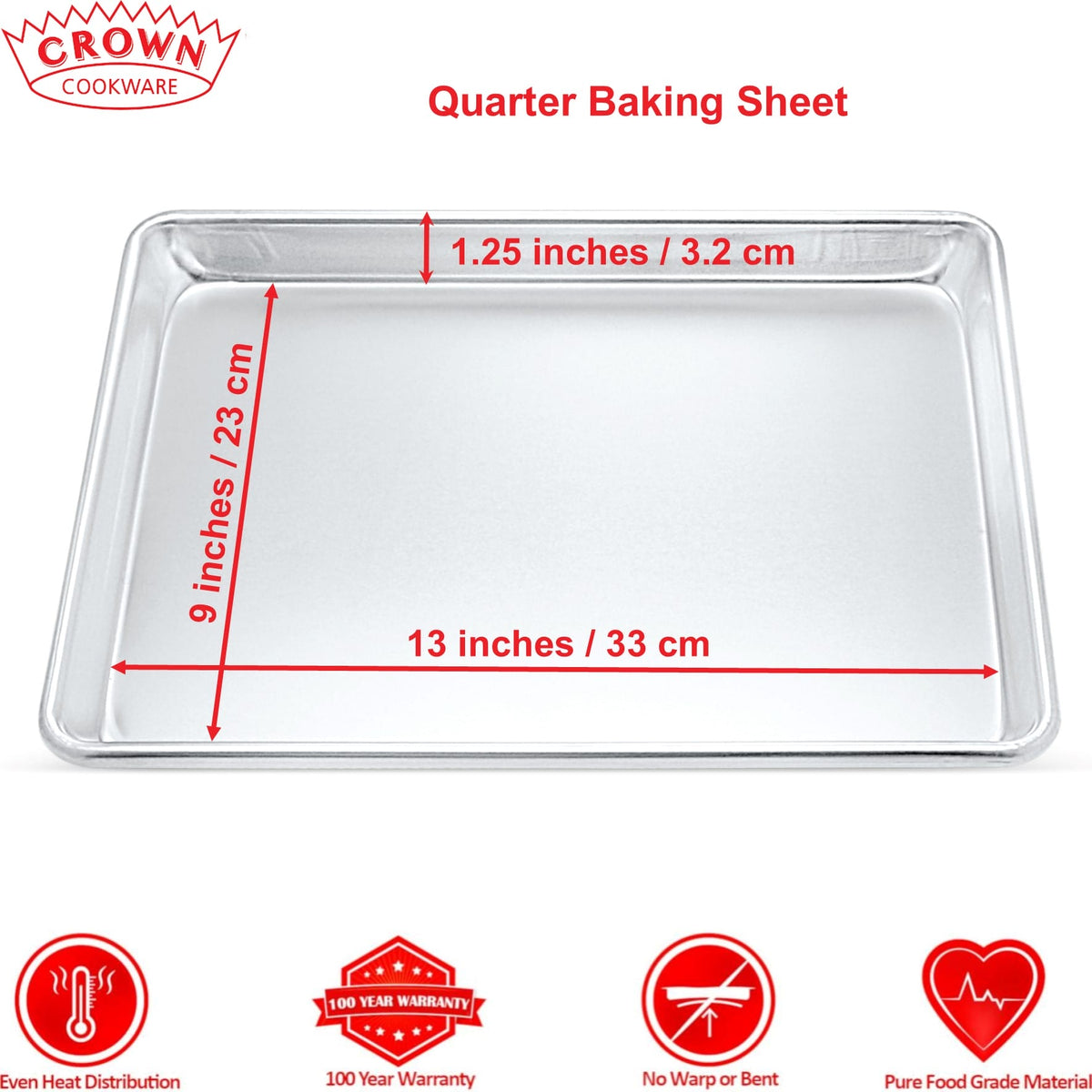
Quarter sheet pans are smaller, around 9 by 13 inches. They are great for small batches and simple recipes.
- Full sheet pan:26 by 18 inches
- Half sheet pan:18 by 13 inches
- Quarter sheet pan:9 by 13 inches
Jelly Roll And Other Pan Types
Jelly roll pans are shallow and usually 10 by 15 inches. They are perfect for thin cakes and rolled desserts.
Other pan types include roasting pans and pizza pans. Each has a unique size and shape for different cooking tasks.
- Jelly roll pan:10 by 15 inches
- Roasting pan:varies, often deep with handles
- Pizza pan:round, sizes vary from 10 to 16 inches
Credit: www.vevor.ca
Material Types And Their Benefits
Full sheet pans come in different materials. Each type has unique benefits for cooking and baking.
Choosing the right material helps you cook better and clean easier. Let’s explore popular materials.
Aluminum Vs Stainless Steel
Aluminum pans are lightweight and heat up quickly. They distribute heat evenly, which helps food cook well.
Stainless steel pans are heavier and stronger. They resist rust and scratches better than aluminum.
- Aluminum heats fast but can warp over time.
- Stainless steel lasts longer and keeps its shape.
- Aluminum is easier to carry because it is lighter.
- Stainless steel looks shiny and modern.
Non-stick Coatings
Non-stick coatings prevent food from sticking to the pan. This makes cooking and cleaning simpler.
These coatings are often added to aluminum pans. They reduce the need for oils and fats when cooking.
- Non-stick pans need gentle cleaning to keep the coating.
- They help cook delicate foods without breaking.
- Coatings can wear off after long use.
- Check if the coating is safe for your oven temperature.
Uses For Full Sheet Pans
Full sheet pans are large, flat baking trays used in many kitchens. They measure about 18 by 26 inches.
These pans hold a lot of food. They are great for cooking many items at once.
Baking And Roasting
Full sheet pans are perfect for baking cookies, sheet cakes, and brownies. Their large surface spreads heat evenly.
They also work well for roasting vegetables or meats. The pan’s size lets heat circulate around food.
- Baking large batches of cookies
- Roasting mixed vegetables
- Cooking sheet cakes or bars
- Toasting nuts or seeds
Commercial Vs Home Use
Commercial kitchens use full sheet pans daily. They cook large amounts of food quickly and evenly.
Home kitchens use smaller pans but may use full sheet pans for big events. These pans fit well in large ovens.
- Commercial pans are heavy-duty and durable
- Home pans may be lighter and thinner
- Full sheet pans fit commercial ovens best
- Home ovens may require smaller pans
Care And Maintenance Tips
Knowing how to care for your full sheet pan helps it last longer. Proper cleaning and storage keep it in good shape.
These tips cover easy ways to clean and store your sheet pan safely after use.
Cleaning Methods
Clean your full sheet pan soon after use to avoid stuck-on food. Use gentle tools to protect the surface.
- Soak the pan in warm, soapy water for 10 to 15 minutes.
- Use a soft sponge or cloth to scrub off food particles.
- Avoid steel wool or harsh scrubbers that can scratch the pan.
- For tough stains, create a paste with baking soda and water, then scrub gently.
- Rinse well and dry the pan completely with a towel to prevent rust.
Storage Recommendations
Store your full sheet pan in a dry, cool place. Keeping it safe prevents dents and rust.
| Storage Tip | Reason |
| Keep pan flat or hang it on a rack | Prevents warping and saves space |
| Place a soft cloth between stacked pans | Avoids scratches on the surface |
| Store in a dry area | Stops rust from forming |
| Avoid stacking heavy items on top | Protects the pan from dents |

Credit: www.walmart.com
Frequently Asked Questions
What Is A Full Sheet Pan Size?
A full sheet pan typically measures 18 x 26 inches. It’s the standard size used in commercial kitchens. This pan size is perfect for baking large batches. It’s ideal for professional settings due to its capacity.
How Deep Is A Full Sheet Pan?
A full sheet pan usually has a depth of about 1 inch. This depth makes it suitable for various recipes. It’s perfect for baking and roasting. The shallow depth allows for even heat distribution.
Can A Full Sheet Pan Fit In Home Ovens?
Most home ovens cannot accommodate a full sheet pan. They are designed for commercial use. However, half sheet pans fit most home ovens. Always measure your oven before purchasing a large pan.
What Material Is Best For Sheet Pans?
Aluminum is the most common material for sheet pans. It conducts heat efficiently and is lightweight. Stainless steel is durable and resistant to rust. Non-stick coatings are also available for easy cleaning.
Conclusion
A full sheet pan measures about 18 by 26 inches. This size fits most commercial ovens and kitchens. Knowing these dimensions helps plan cooking and baking tasks. It also guides you when buying racks or covers. Use the right pan to cook food evenly.
Remember, size matters for your kitchen tools. Choose pans that match your oven space. This makes cooking easier and more efficient. Simple knowledge like this improves your kitchen work. Keep these dimensions in mind for best results.