Is your car’s air conditioner blowing warm air instead of the cool breeze you need? It’s frustrating, especially on a hot day when you just want to feel comfortable behind the wheel.
You might wonder what’s causing your car air conditioner to not cool properly. The good news is, you’re not alone—and understanding the common reasons can help you fix the problem faster. Keep reading to discover what might be stopping your AC from working right and how you can get back to enjoying cool rides again.
Common Reasons For Ac Failure
Car air conditioners may stop cooling properly for several reasons. Understanding these problems helps you know when to get repairs.
Some issues are simple to fix, while others need a mechanic. Below are common causes for an AC that does not cool.
Low Refrigerant Levels
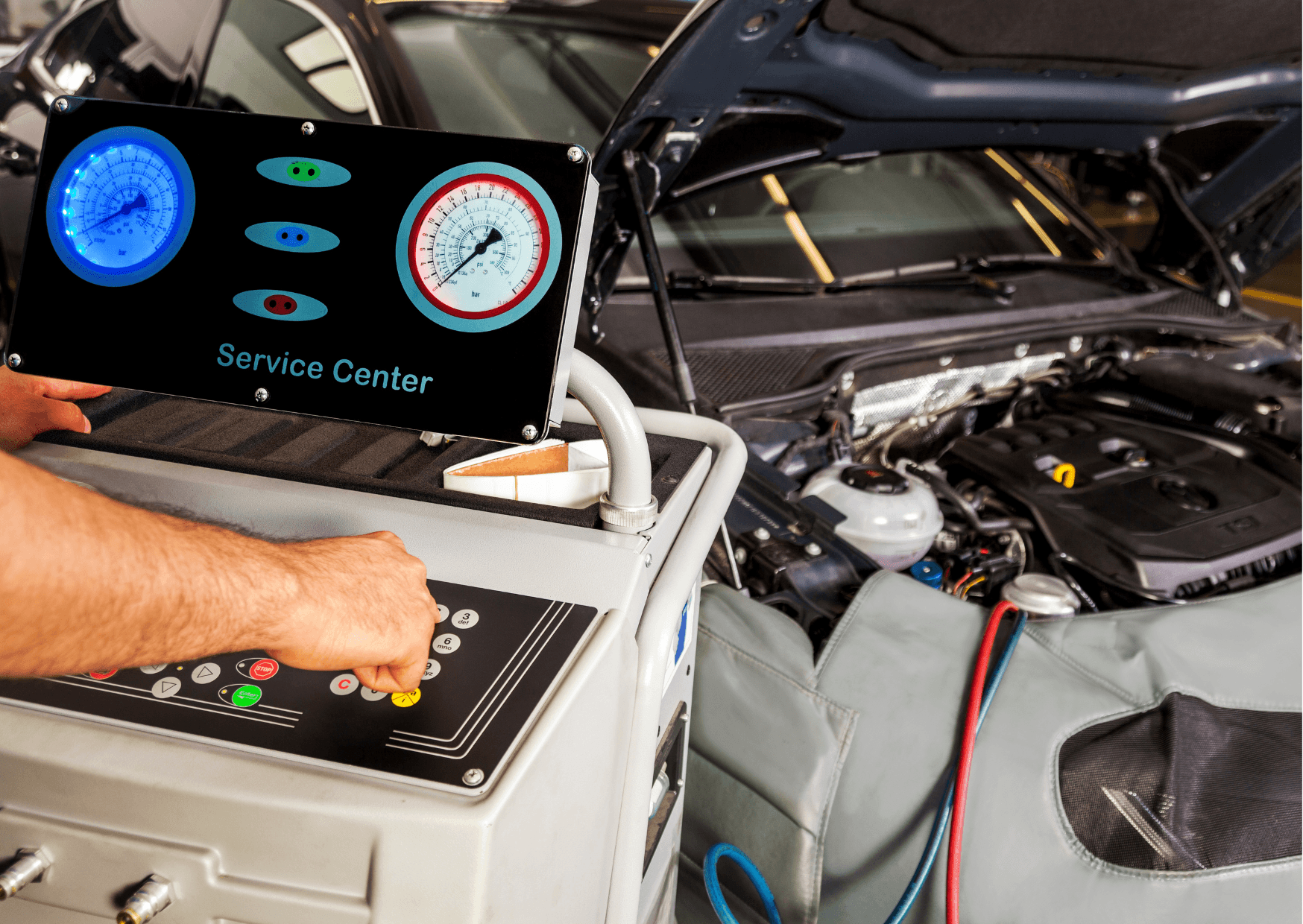
The refrigerant is the fluid that cools the air inside your car. Low refrigerant means the AC cannot cool well.
Leaks or long use without a recharge cause low refrigerant. You may need a professional to find leaks and refill the fluid.
Compressor Issues
The compressor pushes refrigerant through the AC system. If it breaks, the air will not get cold.
Common compressor problems include worn parts or electrical failure. Repair or replacement is often needed to fix this.
Clogged Condenser
The condenser removes heat from the refrigerant. Dirt, leaves, or bugs can block it and reduce cooling.
Cleaning the condenser regularly helps keep air flowing and cool air coming into your car.
Faulty Thermostat
The thermostat controls the AC temperature. If it is broken, the system may not cool at the right level.
A bad thermostat can cause the AC to stop working or blow warm air. Replacing it can restore proper function.

Credit: www.youtube.com
Electrical Problems
Car air conditioners need electricity to work well. Electrical problems can stop the AC from cooling your car. These issues can be simple to fix or need a mechanic’s help.
Understanding common electrical problems helps you find the cause faster. It saves time and money on repairs.
Blown Fuses
Fuses protect your car’s electrical system. A blown fuse stops electricity from reaching the AC. This can make your air conditioner stop cooling.
Fuses can blow from power surges or old age. Checking and replacing fuses is an easy first step if the AC is not working.
- Find the fuse box in your car
- Look for the AC fuse in the guide
- Check if the fuse wire is broken
- Replace blown fuses with the same type
Damaged Wiring
Wiring carries electricity to the air conditioner parts. Damaged or broken wires stop power flow. This can cause the AC to stop cooling your car.
Wires can get damaged by heat, wear, or accidents. Fixing wiring needs care to avoid more damage or shorts.
- Look for frayed or burnt wires near the AC
- Check connectors for loose or broken pins
- Replace or repair damaged wiring with proper tools
Malfunctioning Ac Relay
The AC relay controls power to the air conditioner compressor. A bad relay can stop the compressor from working. This stops the AC from cooling the car.
Relays can wear out or fail over time. Testing the relay and replacing it if needed can restore AC cooling.
- Locate the AC relay in the fuse box or relay panel
- Listen for a clicking sound when the AC is turned on
- Test the relay with a multimeter or swap with a similar relay
- Replace the relay if it does not work properly
Mechanical Failures
Car air conditioners sometimes stop cooling because of mechanical problems. These issues affect the parts that make the AC work properly.
Understanding these mechanical failures helps you know what might need fixing or replacing.
Worn Out Belts
Belts in the car AC system can wear out over time. When belts are loose or broken, the AC compressor cannot run well.
- Belts can crack or fray from long use.
- Slipping belts reduce the compressor’s power.
- Broken belts stop the AC from working completely.
Broken Fans
The fans blow air through the AC system. If a fan breaks, the air will not cool properly inside the car.
| Fan Problem | Effect on AC |
| Fan motor failure | No airflow, no cooling |
| Damaged fan blades | Reduced airflow, weak cooling |
| Obstructed fan | Fan stops or slows down |
Leaking Hoses
Hoses carry refrigerant inside the AC system. Leaks cause refrigerant loss and reduce cooling power.
Signs of leaking hoses:
- Visible fluid under the car
- Hissing sound near hoses
- Warm air from AC vents
Credit: munichmotorworks.ae
Environmental And Usage Factors
Car air conditioners sometimes stop cooling well. This can be due to the environment or how you use the system. Understanding these factors helps keep your AC working properly.
Many problems come from outside heat or how often you run the AC. Regular care and smart use can prevent most issues.
Extreme Heat Conditions
Very hot weather makes it hard for your car AC to cool the air. The system has to work harder to lower the temperature inside.
When outside temperatures rise, the AC may not keep the car as cool as usual. This is normal but can feel like a problem.
Irregular Maintenance
Not cleaning or checking your AC regularly can cause it to fail. Dirt and dust block airflow and reduce cooling power.
Low refrigerant levels and worn parts also stop the system from cooling well. Regular service fixes these issues early.
- Clean or replace air filters often
- Check refrigerant levels yearly
- Inspect belts and hoses for damage
- Schedule professional AC service regularly
Overuse Of Ac System
Running the AC nonstop can wear out parts faster. The compressor and fans get tired and may stop working well.
Using the AC too much without breaks can lead to leaks or mechanical problems. Give the system time to rest when possible.
- Avoid running the AC at full power all the time
- Use the fan mode occasionally to cool without heavy use
- Turn off AC before shutting the car off
Diagnostic Tips
If your car’s air conditioner is not cooling, you need to check some common problems. Diagnosing the issue helps you fix it faster.
Look at the refrigerant, listen for strange sounds, and check electrical parts. These steps can show what causes the AC to fail.
Checking Refrigerant Levels
The refrigerant makes the air cold inside your car. Low refrigerant means weak cooling or no cold air at all.
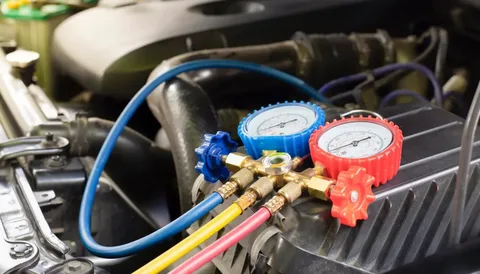
You can use a gauge to measure refrigerant pressure. If it is low, the system may have a leak or needs a refill.
- Locate the AC service ports under the hood.
- Attach a refrigerant pressure gauge.
- Read the pressure levels according to the car manual.
- If low, find leaks or add refrigerant carefully.
Listening For Unusual Noises
Strange sounds can tell you if parts are broken or loose. Listen when you turn the AC on.
Common noises include rattling, squealing, or clicking. These noises often come from the compressor or fan.
- Rattling may mean loose parts inside the compressor.
- Squealing can show a worn belt or bearing.
- Clicking sounds may be electrical relays or switches.
- Turn off the AC and check for loose screws or parts.
Inspecting Electrical Components
Electrical parts control the AC system. Faulty wiring or fuses can stop the AC from working.
Check fuses, wiring, and switches for damage. Use a tester to find broken circuits or bad connections.
- Locate the fuse box and find the AC fuse.
- Check the fuse for burns or breaks.
- Inspect wiring for cracks or loose ends.
- Test switches and relays with a multimeter.
Credit: jmcautomotiveequipment.com
Preventive Measures
Car air conditioners may stop cooling due to many reasons. Taking preventive steps helps keep them working well.
Simple care can avoid most problems with your car’s AC system. This saves you time and money.
Regular Servicing
Routine checks keep the AC system clean and efficient. Servicing includes cleaning filters and checking refrigerant levels.
- Clean or replace the cabin air filter every 12,000 miles
- Check refrigerant pressure during service visits
- Inspect hoses and belts for wear and leaks
- Test the compressor and other AC components
Timely Repairs
Fixing issues early prevents bigger damage. Small leaks or strange noises need quick attention.
| Problem | Effect | Action |
| Refrigerant Leak | Low cooling power | Recharge and repair leak |
| Compressor Failure | No cooling | Replace compressor |
| Clogged Filter | Reduced airflow | Clean or replace filter |
| Electrical Issue | AC stops working | Check wiring and fuses |
Proper Ac Usage
Using the AC correctly extends its life. Follow simple habits to avoid strain on the system.
- Turn off AC a few minutes before engine stops
- Use recirculation mode to cool faster on hot days
- Avoid setting temperature too low on high heat
- Park in shade to reduce AC workload
Frequently Asked Questions
Why Is My Car Ac Blowing Warm Air?
Your car AC may blow warm air due to low refrigerant levels, a faulty compressor, or a clogged condenser. These issues prevent proper cooling. Regular maintenance helps detect and fix these problems early, ensuring your AC blows cold air consistently.
How Does Low Refrigerant Affect Car Ac Cooling?
Low refrigerant reduces the AC system’s ability to absorb heat, causing warm air output. It usually results from leaks or improper recharging. Replenishing refrigerant and repairing leaks restore cooling efficiency and prevent further damage to the AC components.
Can A Dirty Cabin Air Filter Cause Poor Ac Cooling?
Yes, a dirty cabin air filter restricts airflow, making the AC less effective. It reduces ventilation and cooling performance inside the car. Replacing or cleaning the filter regularly ensures optimal airflow and maintains a comfortable cabin temperature.
What Role Does The Ac Compressor Play In Cooling?
The AC compressor circulates refrigerant through the system, enabling heat exchange and cooling. If the compressor fails, the AC cannot cool the air. Timely inspection and repair of the compressor keep your car’s AC functioning properly.
Conclusion
Car air conditioners stop cooling for many reasons. Low refrigerant, dirty filters, or broken parts cause problems. Regular checks help keep your AC working well. Fix small issues early to avoid big repairs. Clean filters and check coolant levels often.
A working AC makes driving comfortable and safe. Don’t ignore signs of trouble with your car’s AC. Taking care of it saves money and stress. Stay cool and enjoy your drives every day.