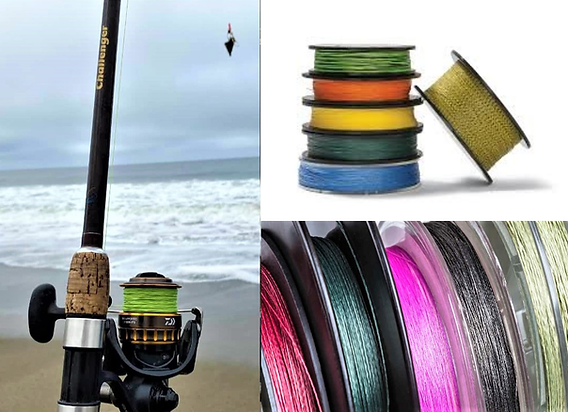
Choosing the right color fishing line can make a huge difference in your fishing success. You might think any line will do, but the color you pick can affect how easily fish see your bait and how confident you feel on the water.
Are you tired of losing fish because they spot your line? Or maybe you want to blend in perfectly with your fishing environment. You’ll discover which fishing line colors work best for different conditions and how to pick the perfect one for your next trip.
Keep reading to find the secret that can improve your catch rate today.
Factors Affecting Fishing Line Color Choice
Choosing the right color for your fishing line helps you catch more fish.
Many factors influence which color works best in different situations.
Water Clarity And Conditions
Clear water lets fish see your line easily. Use light or clear colors here.
- Clear water: Use clear, green, or blue lines.
- Murky water: Use darker or bright colors like yellow or orange.
- Stained water: Use colors matching the water tint.
Fish Species Behavior
Some fish see colors better than others. Their behavior changes line choice.
| Fish Species | Preferred Line Color |
| Trout | Clear or light green |
| Bass | Fluorescent or dark colors |
| Walleye | Yellow or orange |
| Salmon | Clear or pink |
Lighting And Weather Impact
Bright sunlight and cloudy skies change how visible your line is.
Use this guide to pick line color based on light and weather:
- Sunny days: Use light or clear lines to avoid spooking fish.
- Cloudy or low light: Bright or fluorescent lines help you see your line.
- Early morning or late evening: Use lines that blend with the sky color.

Credit: www.wired2fish.com
Popular Fishing Line Colors
Choosing the right fishing line color can affect your success on the water. Different colors work better in certain conditions and for specific fish species.
Understanding the common fishing line colors helps you pick the best one for your needs. Each color has its strengths and weaknesses.
Clear Or Transparent Lines
Clear or transparent fishing lines blend well with water. They are less visible to fish, making them good for clear water and bright days.
Green Lines
Green lines match well with weed and plant environments. They are popular for fishing in lakes and rivers with lots of vegetation.
Blue Lines
Blue fishing lines work best in clear, deep water. The blue color blends with the water, making the line harder for fish to spot.
Red And Pink Lines
Red and pink lines are less visible underwater because red light fades quickly. They can be good for fishing in shallow or clear water.
Yellow And High-visibility Lines
Yellow and other bright lines are easy for anglers to see. These colors help you track the line above water but may be more visible to fish.
- Easy to spot on the water surface
- Good for low light or murky water
- Helps detect bites quickly
- May scare fish in clear water
Pros And Cons Of Different Line Colors
Choosing the right fishing line color can affect your success on the water. Different colors work better in various conditions and for different fish.
Understanding the advantages and disadvantages of line colors helps you pick the best option for your fishing needs.
Advantages Of Clear Lines
Clear fishing lines are nearly invisible underwater. This makes them good for clear water and cautious fish.
They blend well with most environments, so fish are less likely to see the line and get scared.
- Harder for fish to detect
- Works well in clear water
- Good for light line tests
Benefits Of Colored Lines
Colored lines help anglers see their line better above water. This aids in casting and detecting bites.
Certain colors can also match the water or environment, making the line less visible to fish.
- Easy to track above water
- Can match water colors
- Helps identify line type or strength
Potential Drawbacks Of Bright Lines
Bright colored lines can scare fish in clear water. Fish may see the line and avoid the bait.
These lines may also stand out too much in some fishing spots, reducing your chance to catch fish.
- More visible to fish in clear water
- Can reduce fish bites
- May not suit all fishing conditions

Credit: thegww.com
Matching Line Color To Fishing Techniques
Choosing the right color for your fishing line can help you catch more fish. The color should match the fishing technique you use. Different techniques work best with different line colors.
Some colors blend into the water, making the line less visible to fish. Other colors help you see the line better. Knowing which color fits your style improves your fishing experience.
Fly Fishing Considerations
Fly fishing often uses clear or light-colored lines. These colors make the line less visible to fish in clear water. Anglers prefer lines that do not scare the fish away.
Some fly fishers use green or tan lines in waters with plants or muddy bottoms. These colors blend well with natural surroundings. Bright lines help anglers see their casts better in low light.
- Clear or light green for clear water
- Tan or brown for muddy or plant-filled water
- Bright colors for better line visibility
Casting And Spinning Techniques
Casting and spinning anglers choose line colors based on water clarity and weather. Clear or light blue lines work well in clear water. They help hide the line from fish.
Bright colors like yellow or orange help anglers see the line during windy or cloudy days. This visibility helps control the cast better. Dark lines suit stained or dark water for camouflage.
- Clear or blue for clear water
- Yellow or orange for line visibility
- Dark colors for stained water
Trolling And Deep Sea Fishing
Trolling and deep sea fishing use strong, durable lines. Bright colors like orange or pink help anglers see the line in deep water. These colors also help track lures and bait.
Some anglers choose blue or green lines to blend with ocean water. This makes the line less visible to fish. Choosing the right color depends on water depth and light conditions.
- Bright orange or pink for line visibility
- Blue or green for water camouflage
- Choose colors based on water depth
Seasonal And Regional Influences
Choosing the best color fishing line depends on the season and where you fish. Fish see colors differently in different water and light conditions.
Understanding these factors helps you pick a line that blends well or stands out, depending on your needs.
Summer Vs. Winter Fishing
In summer, water is clearer and brighter. Fish can see fishing lines more easily. Clear or light green lines work well here.
Winter water is often darker and murkier. Darker lines like brown or dark green help the line blend in better.
- Summer: Clear, light green, or blue lines
- Winter: Dark green, brown, or gray lines
Freshwater Vs. Saltwater Environments
Freshwater fishing usually needs lines that blend with plants and dirt. Green or clear lines work best here.
Saltwater is often clearer and brighter. Blue or clear lines help keep your line less visible to fish.
- Freshwater: Green, clear, or brown lines
- Saltwater: Blue, clear, or gray lines
Regional Species Preferences
Some fish in different regions react to line colors differently. Matching the line color to local water helps catch more fish.
For example, trout in mountain streams see colors well, so clear lines are best. Bass in murky lakes prefer lines that blend with the water color.
| Region | Fish Species | Recommended Line Color |
|---|---|---|
| Mountain Streams | Trout | Clear or light green |
| Southern Lakes | Bass | Green or brown |
| Coastal Areas | Redfish, Snook | Blue or clear |
Expert Tips For Choosing Line Color
Choosing the right fishing line color can affect your catch rate. The color helps the line blend with water and surroundings.
This guide shares expert tips to help you pick the best line color for different fishing conditions.
Professional Anglers’ Insights
Pro anglers select line colors based on water clarity and light levels. Clear water calls for subtle colors. Murky water allows brighter lines.
- Use clear or light green lines in clear water.
- Choose dark green or brown in stained water.
- Opt for bright colors in low light or deep water.
- Match line color to natural baitfish colors when possible.
Common Mistakes To Avoid
Many anglers pick line colors without thinking about water type or weather. This can scare fish away or make your line too visible.
| Mistake | Effect |
| Using bright lines in clear water | Fish see the line easily and avoid bait |
| Choosing dark lines in bright sunlight | Line casts shadows that alert fish |
| Ignoring water color changes | Line becomes too visible or unnatural |
| Not changing line color for depth | Line stands out against different backgrounds |
Innovative Techniques And Trends
Recent trends use multi-color lines that shift color with depth. Anglers also use fluorocarbon lines for low visibility.
Here are key tips on new line color techniques:
- Multi-color lines fade from bright to clear, blending at different depths.
- Fluorocarbon lines match water refractive index, making them nearly invisible.
- Some lines have color zones to help estimate casting distance.
- Anglers test colors by observing fish reactions and water conditions.

Credit: reactiontackle.com
Frequently Asked Questions
What Color Fishing Line Is Best For Clear Water?
Clear or light blue fishing lines work best in clear water. They blend well with the surroundings. This makes fish less likely to notice the line. Anglers often prefer fluorocarbon lines for clarity and low visibility in clear water.
Does Fishing Line Color Affect Fish Bites?
Yes, fishing line color can impact fish bites. Some colors are more visible underwater, which may scare fish away. Choosing lines that match water conditions helps reduce visibility. Low-visibility lines increase your chances of getting bites.
Which Fishing Line Color Suits Murky Water?
Bright colors like chartreuse or orange are ideal for murky water. They help anglers track their line easily. Fish rely less on sight in murky water, so line color is less critical for visibility. Use bright lines for better control.
Can Fishing Line Color Attract Fish?
Certain colors can attract fish under specific conditions. For example, light colors may mimic baitfish. However, most fish respond more to movement than color. Choosing subtle line colors usually avoids spooking fish.
Conclusion
Choosing the right fishing line color depends on water and light conditions. Clear lines work well in bright, clear water. Green or blue lines blend better in darker or stained water. Match the line color to where you fish most often.
Try different colors to see what catches more fish. Remember, the best line color helps you fish with less notice. Keep it simple and adjust as needed for success. Your fishing experience will improve with the right choice. Keep fishing and enjoy every catch.