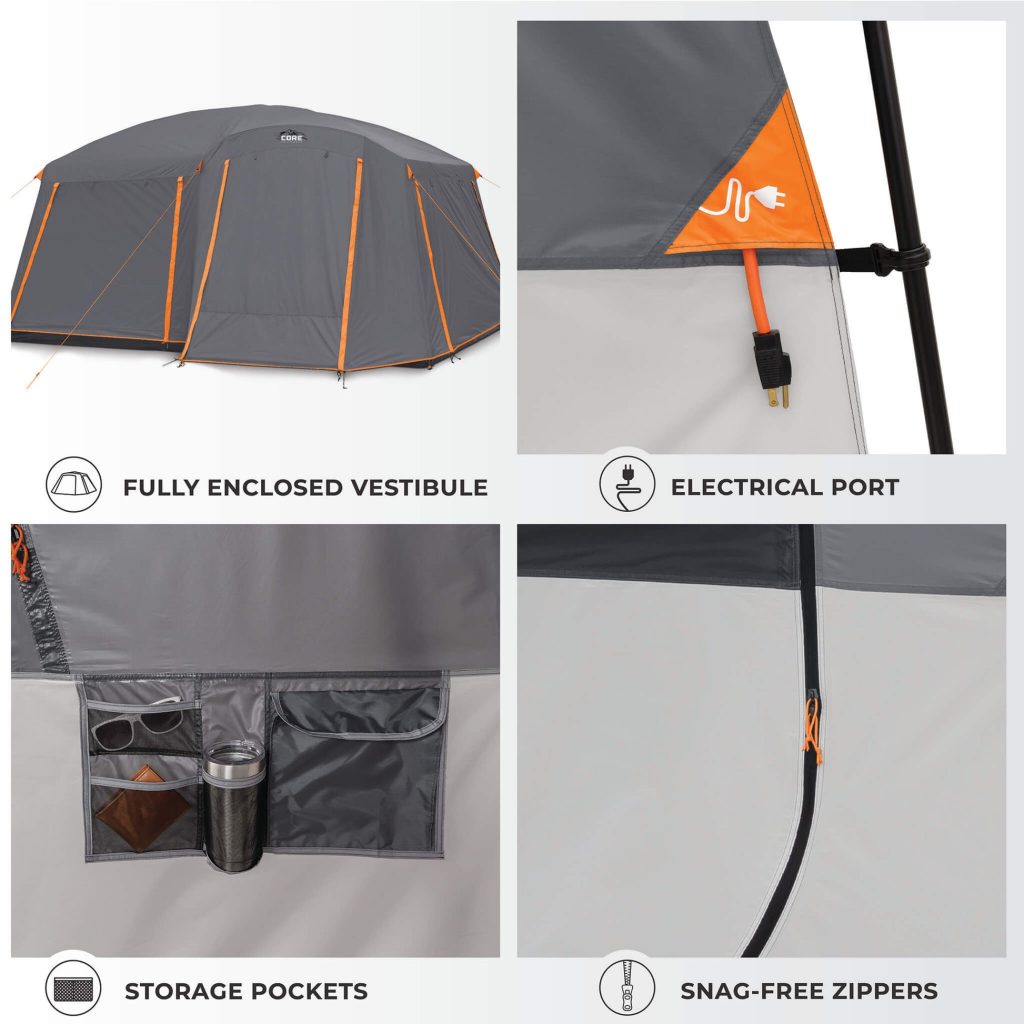
Have you ever wondered what that extra flap or covered area on your tent is for? That’s called a vestibule, and it’s more useful than you might think.
Whether you’re camping for fun or heading out on a serious adventure, understanding what a vestibule does can make your trip more comfortable and organized. Keep reading, and you’ll discover why this small part of your tent could become your favorite feature on every camping trip.
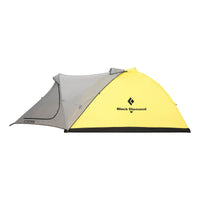
Credit: blackdiamondequipment.com
Vestibule Basics
A vestibule on a tent is a small area outside the main sleeping space. It is useful for storing gear and keeping your tent clean.
This extra space offers protection from rain and wind. It helps keep the interior dry and comfortable.
Definition And Purpose
A vestibule is an extension of the tent’s fly or outer layer. It creates a sheltered area outside the tent door.
The purpose of a vestibule is to provide storage space for gear. It keeps dirty items out of the sleeping area.
- Protects gear from weather
- Offers space for cooking safely
- Prevents dirt inside the tent
Common Tent Designs With Vestibules
Many tents come with vestibules. These designs vary based on the tent’s purpose and size.
Some tents have small vestibules, while others offer large spaces. Choices depend on how much gear you need to store.
| Type of Tent | Vestibule Size |
| Backpacking Tent | Small vestibule for light gear |
| Family Tent | Large vestibule for multiple items |
| Expedition Tent | Spacious vestibule for heavy gear |

Credit: www.garagegrowngear.com
Benefits For Campers
A vestibule is an extra space attached to a tent’s entrance. It creates a small covered area outside the main sleeping space.
This space adds comfort and convenience for campers. It helps keep gear safe and improves the camping experience.
Extra Storage Space
A vestibule offers a dry area to store backpacks, shoes, and cooking gear. It keeps your tent interior clean and clutter-free.
You can leave wet or muddy items outside the main tent but still protected from rain or dirt.
- Stores gear safely under cover
- Prevents dirt from entering the tent
- Frees up room inside for sleeping
Weather Protection
The vestibule shields you from wind, rain, and snow when entering or exiting the tent. It acts as a buffer zone against bad weather.
This space lets you take off wet clothes or boots without bringing moisture inside the sleeping area.
- Blocks wind from the tent door
- Keeps rain and snow outside
- Provides a dry spot before entering the tent
Improved Ventilation
A vestibule helps air flow better by allowing tent doors to stay open. This reduces stuffiness inside the tent.
Good ventilation lowers condensation on the tent walls and keeps the air fresh for a comfortable night’s sleep.
- Allows fresh air without letting bugs in
- Reduces moisture and condensation
- Makes the tent feel cooler and less stuffy
Types Of Vestibules
A vestibule on a tent is an extra covered area outside the main sleeping space. It gives you room to store gear and shoes. Vestibules help keep the tent cleaner and more organized.
There are different types of vestibules. Each type has its own way of attaching to the tent. Let’s explore three common types: attached, detachable, and integrated vestibules.
Attached Vestibules
Attached vestibules are sewn directly to the tent’s main body. They share the same fabric and seams with the tent. This makes them very secure and weather-resistant.
Because they are part of the tent, attached vestibules cannot be removed. They provide a stable space for storing items while protecting them from rain and wind.
Detachable Vestibules
Detachable vestibules connect to the tent using zippers, clips, or Velcro. You can add or remove them based on your needs. This type offers flexibility for different camping conditions.
They are easy to pack separately, which can reduce the tent’s weight when you do not need extra space. Detachable vestibules are popular for lightweight camping tents.
- Attach with zippers, clips, or Velcro
- Can be removed when not needed
- Helps reduce packed weight
- Offers flexible space options
Integrated Vestibules
Integrated vestibules are built into the tent’s design but are not fully sewn in. They often use a combination of fabric and poles. This design allows some movement and airflow.
This type provides a balance between protection and ventilation. Integrated vestibules are good for tents used in different weather conditions.
Choosing The Right Vestibule
A vestibule on a tent adds extra covered space outside the main area. It helps protect your gear and keeps you dry. Choosing the right vestibule makes camping more comfortable.
Consider size, material, and compatibility to find the best fit for your tent. These factors affect usability and protection during your trip.
Size Considerations
Measure the area you want to cover with the vestibule. It should be large enough to store your gear or let you enter the tent without getting wet.
- Check the vestibule’s floor space
- Consider the height for standing or sitting
- Allow extra room for gear storage
- Match vestibule size to your camping needs
Material And Durability
Strong and weather-resistant materials keep the vestibule lasting longer. Look for fabrics that handle rain and wind well. The floor should be waterproof and tough.
| Material | Feature | Benefit |
| Ripstop Nylon | Lightweight, strong | Easy to carry, durable |
| Polyester | UV resistant | Longer life under sun |
| Polyurethane Coating | Waterproof | Keeps gear dry |
| Polyethylene Floor | Heavy-duty | Protects against ground moisture |
Compatibility With Tent Models
Not all vestibules fit every tent. Check the tent brand and model before buying. Some vestibules attach with zippers or clips. Others use poles and guy lines.
- Read your tent’s manual for vestibule options
- Match zipper types and locations
- Confirm pole or attachment style
- Look for vestibules made for your tent brand
Setting Up A Vestibule
A vestibule is an extra space outside your tent. It helps keep gear dry and protected.
Setting up a vestibule adds shelter and makes your camping area more organized.
Pitching Techniques
Start by laying out the vestibule fabric flat beside your tent. Align it with the tent entrance.
- Stake the corners of the vestibule firmly into the ground.
- Attach the vestibule to the tent using clips or zippers.
- Tighten the guy lines to keep the fabric taut.
- Check that the vestibule does not block tent doors.
Common Mistakes To Avoid
Many campers make errors that reduce vestibule effectiveness. Avoid these to stay dry.
| Mistake | Effect |
| Loose stakes | Vestibule moves or collapses |
| Wrong placement | Blocks tent entrance |
| Ignoring rain direction | Water pools inside vestibule |
| Not tightening guy lines | Fabric flaps and wears out |
Tips For Stability In Wind
Wind can damage a vestibule if it is not secured properly. Use these tips to keep it stable.
- Use extra guy lines on all sides.
- Place stakes at a 45-degree angle away from the tent.
- Add rocks or heavy objects on stake loops if ground is soft.
- Check tension regularly and adjust if needed.
Maintenance And Care
A vestibule on a tent needs regular care to stay strong and useful. Proper maintenance helps keep it clean and ready for your next trip.
Following simple steps can extend the life of your tent’s vestibule and prevent damage.
Cleaning Tips
Clean the vestibule after every camping trip to avoid dirt buildup and mold growth. Use gentle methods to protect the fabric and seams.
- Brush off loose dirt with a soft brush.
- Use mild soap and lukewarm water for washing.
- Rinse thoroughly to remove soap residue.
- Air dry the vestibule completely before packing.
Storage Recommendations
Store the vestibule properly to prevent damage from moisture and pests. Keep it in a cool, dry place away from direct sunlight.
| Storage Tip | Why It Matters |
| Fold loosely without sharp creases | Prevents fabric weakening and tears |
| Use a breathable storage bag | Allows air flow to avoid mold |
| Avoid damp areas | Stops mildew and bad smells |
Repairing Minor Damages
Fix small tears and broken zippers quickly to keep the vestibule functional. Early repairs stop problems from getting worse.
Here are easy repair tips:
- Use fabric patches for small holes or tears.
- Apply seam sealer to waterproof stitched areas.
- Lubricate zippers with a dry silicone spray.
- Replace broken zipper pulls with simple tools.

Credit: www.coreequipment.com
Frequently Asked Questions
What Is The Purpose Of A Tent Vestibule?
A tent vestibule provides extra covered space outside the main tent. It protects gear from rain and dirt. It also offers a sheltered entryway, keeping the tent interior clean and dry during bad weather.
How Does A Vestibule Improve Tent Camping?
A vestibule increases storage space for boots, backpacks, and cooking gear. It adds convenience by keeping wet or muddy items outside the sleeping area. This improves comfort and organization during camping trips.
Are Vestibules Included With All Tents?
Not all tents come with vestibules. Some models have built-in vestibules, while others offer detachable or optional vestibule accessories. Check the tent specifications to confirm if a vestibule is included or available.
Can A Vestibule Protect Against Bad Weather?
Yes, vestibules shield gear and tent entrances from rain, snow, and wind. They create a barrier that helps maintain a dry and warm tent interior, enhancing overall weather protection during camping.
Conclusion
A vestibule on a tent adds useful space outside the main area. It keeps gear dry and protected from weather. This small covered zone helps keep the inside clean. Campers can store shoes, backpacks, or cooking tools there. Choosing a tent with a vestibule improves camping comfort.
It offers a simple way to stay organized outdoors. Next time you camp, notice how a vestibule helps. Small but practical. A smart addition for any tent.