Have you ever tried starting your diesel engine on a cold morning only to find it struggling or refusing to start? You’re not alone.
Many diesel users encounter this problem when temperatures drop. The culprit? The freezing point of diesel. Understanding this crucial detail can save you time, money, and a whole lot of frustration. By the end of this article, you’ll gain the knowledge to keep your diesel engine running smoothly, regardless of the weather.
So, if you’re curious about how the freezing point affects your engine’s performance and how to tackle it, keep reading! Your diesel engine will thank you.
Diesel Freezing Point Basics
Understanding the freezing point of diesel is crucial if you use it in cold environments or during winter months. This knowledge can help you avoid engine problems and keep your vehicle or equipment running smoothly. Let’s break down the basics to give you clear and practical insights.
Definition Of Freezing Point
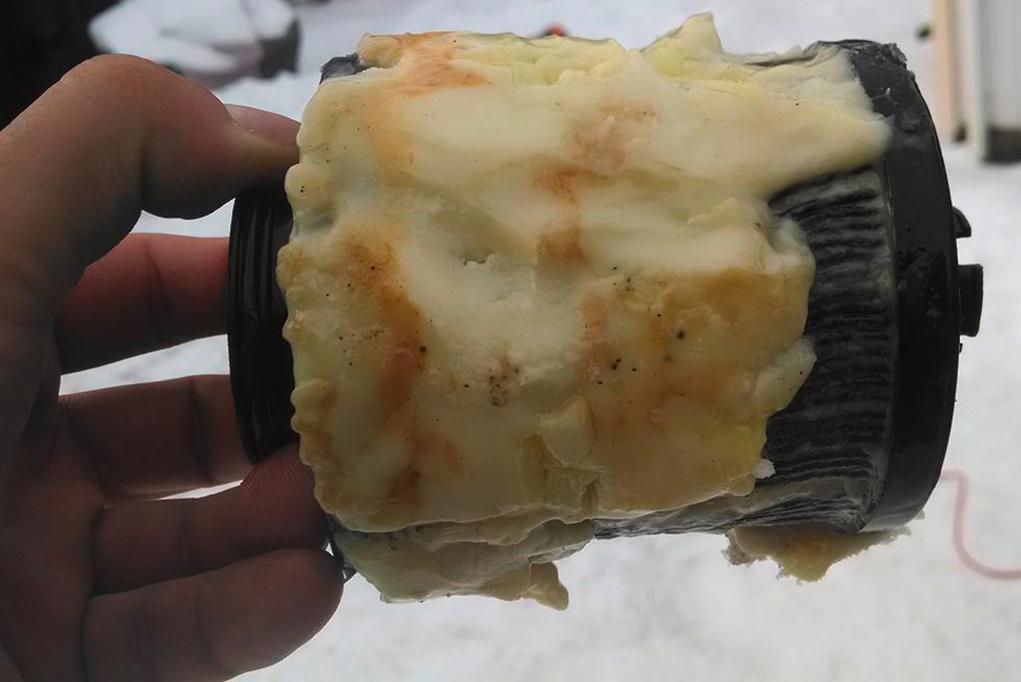
The freezing point of diesel is the temperature at which it begins to solidify or form wax crystals. Unlike water, diesel doesn’t freeze into a hard block but turns cloudy and thickens, which can clog fuel filters and lines.
This temperature varies depending on the diesel type and additives used. For standard diesel, the freezing point typically ranges between -10°C and -20°C (14°F to -4°F). Knowing this helps you anticipate potential issues before they happen.
Importance In Diesel Usage
Have you ever experienced your diesel engine struggling or stalling on a cold morning? That’s often due to diesel reaching its freezing point.
When diesel thickens, your engine can’t get the fuel it needs efficiently. This causes poor performance and can even lead to costly repairs. Understanding the freezing point allows you to take preventative steps like adding anti-gel additives or using winter-grade diesel fuel.
Are you prepared to keep your diesel engine running smoothly when temperatures drop? Paying attention to the freezing point is a simple way to protect your equipment and avoid unexpected breakdowns.
Credit: www.duramaxforum.com
Factors Affecting Diesel Freezing Point
The freezing point of diesel is not a fixed number; several factors influence when diesel starts to gel and lose its flowability. Understanding these factors is essential for anyone relying on diesel engines, especially in cold climates. By knowing what affects the freezing point, you can take practical steps to keep your diesel fuel working smoothly even in harsh conditions.
Diesel Composition Variations
Diesel fuel is a mixture of different hydrocarbons. The exact blend changes depending on the source of crude oil and refining processes. Some hydrocarbons freeze at higher temperatures, raising the diesel’s overall freezing point.
If you’ve ever noticed diesel in one place freezing while in another it flows fine, it’s likely due to these composition differences. Lighter diesel blends tend to resist freezing better, but they might not provide the same energy content. Knowing your diesel’s source can help you predict its behavior in cold weather.
Temperature And Environmental Influence
Temperature plays the most obvious role in diesel freezing. But it’s not just the ambient temperature outside; the way diesel is stored and handled also matters. Sudden temperature drops can cause wax crystals to form quickly, clogging fuel filters and lines.
Think about how your diesel behaves overnight versus during the day. Even inside a vehicle’s fuel tank, temperature can fluctuate enough to impact freezing. Monitoring local weather and adjusting your diesel usage accordingly can save you from unexpected engine troubles.
Additives And Their Role
Additives are often the secret weapon against diesel freezing. These chemicals lower the freezing point by modifying how wax crystals form. Some additives also improve diesel flow, preventing blockages in fuel systems.
Have you tried using cold flow improvers in your diesel before winter? Many drivers find that a simple additive treatment keeps their engines running smoothly when temperatures drop below freezing. Choosing the right additive depends on your diesel type and the climate you face.
Measuring Diesel Freezing Point
Measuring the freezing point of diesel is crucial for maintaining engine performance and avoiding fuel system issues in cold weather. Knowing how diesel behaves at low temperatures helps you prepare and choose the right fuel type for your climate. Let’s look at how this measurement is done and what the results mean for your diesel fuel.
Common Testing Methods
There are several ways to test the freezing point of diesel, each with its own advantages. The most widely used method is the ASTM D2386 test, which uses a cooling apparatus to observe when wax crystals start forming in the fuel.
- Cold Filter Plugging Point (CFPP):Measures the temperature at which diesel starts clogging filters due to wax formation.
- Cloud Point Test:Identifies the temperature when wax crystals first appear, making the fuel look cloudy.
- Pour Point Test:Determines the lowest temperature at which diesel still flows.
Each test focuses on different aspects of diesel’s behavior in the cold. Choosing the right one depends on your specific needs and local climate conditions.
Interpreting Results
Understanding test results is key to preventing engine problems. If your diesel’s freezing point is close to or above the lowest temperatures you expect, you might face fuel gelling or filter blockages.
Look for results that indicate a freezing point well below your typical coldest day. For example, if your region hits -15°C, a diesel with a freezing point of -20°C offers a safer margin.
Have you ever been stuck with fuel that thickened in the cold? Testing helps you avoid that hassle by ensuring your diesel is suitable for your environment. Always compare test results against manufacturer recommendations and local standards to make the best choice.
Impact Of Freezing Point On Diesel Performance
The freezing point of diesel is a critical factor affecting its performance in cold weather. Diesel fuel can start to gel or solidify near its freezing point. This change impacts how well the engine runs and how fuel flows through the system. Understanding these effects helps in maintaining engine efficiency and avoiding breakdowns.
Engine Operation Challenges
When diesel freezes, it forms wax crystals. These crystals can clog the fuel injectors, causing poor combustion. The engine may struggle to start or run unevenly. Power loss and increased emissions often occur. Cold weather makes these issues more common, reducing engine reliability.
Fuel Line And Filter Issues
Frozen diesel can block fuel lines and filters. Wax deposits reduce fuel flow, causing pressure drops. Filters may become clogged and need frequent replacement. Fuel pumps work harder, risking damage and failure. Maintaining clean fuel lines is essential for smooth engine operation in winter.
Preventing Diesel Freezing Problems
Diesel fuel can freeze or gel in cold weather. This causes clogs in fuel lines and filters. Preventing freezing problems keeps engines running smoothly. Proper care of diesel helps avoid costly repairs and downtime.
Proper Storage Techniques
Store diesel in a cool, dry place away from moisture. Use containers designed for fuel storage. Keep tanks full to reduce air space and condensation. Avoid storing diesel outside during cold months. Check storage tanks regularly for water or ice buildup.
Use Of Anti-gel Additives
Add anti-gel additives to diesel before cold weather starts. These additives lower the fuel’s freezing point. They stop wax crystals from forming and clogging the fuel system. Follow the product instructions for the right amount. Use additives compatible with your diesel type.
Regular Maintenance Tips
- Change fuel filters regularly to prevent blockages.
- Drain water separators to remove water from fuel.
- Inspect fuel lines for cracks or leaks often.
- Keep fuel tanks clean and free of debris.
- Run engines periodically during winter to circulate fuel.

Credit: www.trucksales.com.au
Diesel Types And Their Freezing Points
Diesel fuel comes in several types, each with a different freezing point. This point shows the temperature when diesel starts to gel or solidify. Knowing these points helps prevent engine problems in cold weather. Different diesel types suit different climates and uses.
Standard Diesel
Standard diesel, also called diesel No. 2, is common in many vehicles. Its freezing point is around -10°C to -15°C (14°F to 5°F). This type works well in mild cold but may gel in very low temperatures. It contains paraffin wax, which causes gelling as temperatures drop.
Winter Diesel Variants
Winter diesel is specially made to avoid gelling in cold climates. It has additives and less wax content. Its freezing point can be as low as -30°C (-22°F). This fuel stays liquid in harsh winter, ensuring engines run smoothly. Some blends mix No. 1 diesel, which is lighter and has a lower freezing point.
Biodiesel Considerations
Biodiesel is made from vegetable oils or animal fats. It freezes at higher temperatures than standard diesel, often around 0°C to -5°C (32°F to 23°F). Pure biodiesel gels quickly in cold weather. Blending biodiesel with standard diesel lowers the freezing point. Users must check the blend ratio and cold weather ratings carefully.

Credit: link.springer.com
Frequently Asked Questions
What Is The Freezing Point Of Diesel Fuel?
The freezing point of diesel is the temperature where wax crystals form. It typically ranges from -10°C to -20°C. This causes diesel to gel and clog fuel lines in cold conditions. Knowing this helps prevent engine issues in winter.
How Does Temperature Affect Diesel Freezing Point?
Lower temperatures cause diesel to form wax crystals. This increases the freezing point and causes gelling. Cold weather reduces diesel flow, affecting engine performance. Additives can lower the freezing point to improve cold-weather usability.
Why Is Diesel Freezing Point Important For Vehicles?
Knowing diesel’s freezing point prevents fuel system blockages. It ensures smooth engine operation in cold climates. Proper handling and additives avoid costly repairs and breakdowns. This knowledge is crucial for winter vehicle maintenance.
Can Additives Lower The Freezing Point Of Diesel?
Yes, additives called anti-gel agents lower diesel’s freezing point. They prevent wax crystal formation and improve flow. Additives are vital for cold climate diesel use. They enhance fuel performance and protect engines from freezing issues.
Conclusion
Knowing the freezing point of diesel helps avoid engine problems in cold weather. Diesel starts to gel and thicken below this temperature. This can block fuel lines and stop your engine from running. Using additives or winter diesel blends can lower the freezing point.
Always check your diesel’s freezing point before winter arrives. Staying informed keeps your vehicle reliable and ready to go. Understanding this simple fact saves time and money on repairs. It is a small step with big benefits for diesel users.