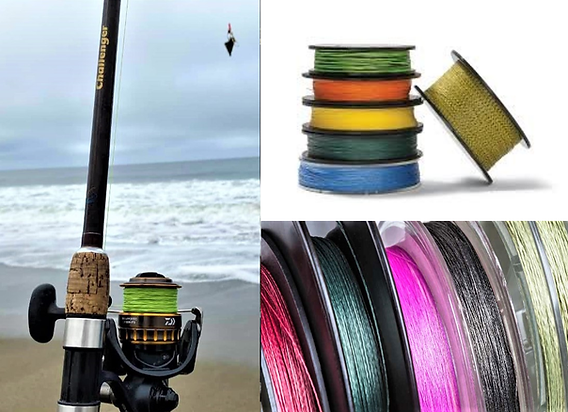
Choosing the best color for your fishing line can make a huge difference in your success on the water. You might think any line will do, but the right color can help you catch more fish and enjoy your time fishing even more.
Are you tired of losing bites because your line is too visible or blends in too much? This guide will help you understand which colors work best in different fishing conditions and why. By the end, you’ll know exactly what color line to use to improve your chances of landing that big catch.
Keep reading to discover the secret that many anglers don’t want you to know!
Factors Affecting Line Visibility
The color of a fishing line affects how visible it is underwater. Visibility changes based on many natural factors.
Understanding these factors helps choose the best color that blends well with the environment and fish behavior.
Water Clarity And Color
Clear water shows fishing lines more easily. Colored or murky water hides lines better.
- In clear water, use light colors like clear or blue lines.
- In green or algae-rich water, green or camo lines work well.
- Brown or dark lines suit muddy or tannin-stained water.
Light Conditions
Bright sunlight makes lines more visible. Low light or cloudy days reduce visibility.
| Light Condition | Best Line Color |
| Bright Sunlight | Clear, Blue, or Green |
| Overcast or Shade | Fluorescent or Light Colors |
| Low Light (Dawn/Dusk) | Bright or High-Visibility Colors |
Fish Species And Behavior
Some fish are more sensitive to line color. Others rely on movement and vibrations.
- Clear or light lines work for shy fish like trout.
- Bright lines can attract aggressive fish like bass.
- Invisible lines help when fish are easily spooked.
Line Thickness And Material
Thicker lines are easier to see. Thin lines are harder to spot but may be less strong.
| Line Type | Visibility | Strength |
|---|---|---|
| Monofilament | Moderate | Good |
| Fluorocarbon | Low (near invisible) | High |
| Braided | High (usually colored) | Very High |

Credit: www.wired2fish.com
Common Fishing Line Colors
Fishing line color affects how fish see your line in water. It helps you catch more fish by blending with the environment.
Different colors work best in different water types and lighting. Choosing the right color improves your chances of success.
Clear And Fluorocarbon Lines
Clear lines are nearly invisible in water. Fluorocarbon lines have low visibility and sink faster than regular lines.
These lines work well in clear water and bright conditions. Fish do not easily see them, making bites more likely.
Green And Moss Lines
Green and moss colors blend with plants and algae. They are great for fishing in weedy or grassy areas.
These colors help hide the line from fish near the bottom or in thick cover.
Yellow And Chartreuse Lines
Yellow and chartreuse lines are bright and easy to see above water. Anglers use them to track line movement.
These colors work well in low light or murky water. Fish may see the line, so use them when visibility matters more to you.
Blue And Purple Lines
Blue and purple lines blend with deep or clear water. They work well in open water or during sunny days.
These colors are less common but help reduce line visibility in certain water conditions.
Orange And Red Lines
Orange and red lines are very visible above water. They help anglers see line movement easily.
Underwater, red colors fade quickly, making the line less visible to fish at depth. Use these lines in shallow water or for line tracking.
Best Colors For Different Water Types
Choosing the right color for your fishing line can improve your catch. Different water types need different colors to blend well or stand out.
This guide explains the best fishing line colors for clear water, murky water, saltwater, and freshwater environments.
Clear Water
Clear water offers high visibility. Use colors that are subtle and hard to see.
- Light green blends with plants
- Light blue matches the water color
- Clear or transparent lines are almost invisible
Murky And Stained Water
Murky water reduces visibility. Use bright colors that fish can detect easily.
- Fluorescent yellow stands out well
- Bright orange attracts attention
- Chartreuse is highly visible in stained water
Saltwater Conditions
Saltwater has different light and color conditions. Choose lines that suit the environment and target fish.
| Water Type | Recommended Line Color |
| Clear ocean water | Light blue or clear |
| Deep water | Blue or green |
| Coastal or murky water | Bright yellow or orange |
Freshwater Environments
Freshwater fishing varies by clarity and light. Choose colors to suit local conditions and fish behavior.
- Green for weedy lakes
- Brown for muddy rivers
- Clear for very clean lakes

Credit: thegww.com
Visibility Vs. Stealth: Finding The Balance
Choosing the right color for your fishing line is key. It helps balance being seen by you and unseen by fish.
Some colors stand out for anglers but blend in underwater. Let’s look at when to pick high or low visibility lines.
When To Choose High Visibility Lines
High visibility lines are easy to see above water. This helps you track your line during casting or fighting a fish.
- Use bright colors like yellow or orange in low light or murky water.
- They help detect line movement and bites quickly.
- High visibility lines reduce line tangles and aid in controlling your lure.
- Good for beginners or in fast-moving waters where line tracking is hard.
When Low Visibility Lines Work Best
Low visibility lines blend into water, making them harder for fish to see. This helps in clear water or when fish are shy.
| Water Condition | Recommended Line Color | Reason |
| Clear Water | Green, Blue, Clear | Blends with surroundings, avoids spooking fish |
| Bright Sunlight | Light Green, Camouflage | Reduces line glare and reflection |
| Shallow Water | Brown, Green | Mimics natural water colors |
| Deep Water | Blue, Clear | Matches water depth color tones |
Using Line Color To Avoid Spooking Fish
Fish can see line colors differently underwater. Choosing the right color helps keep them calm.
Tips to reduce fish spooking:
- Match the line color to the water color and clarity.
- Avoid bright colors in clear, calm water.
- Use transparent or natural colors near fish habitats.
- Test different lines to see what works best for local fish.
Specialized Lines For Specific Fishing Techniques
Fishing lines come in many colors to fit different fishing styles. Choosing the right color helps catch more fish.
Some fishing methods need special line colors to work best. These lines match water and light conditions.
Fly Fishing Lines
Fly fishing lines often use bright colors like yellow or orange. These colors help anglers see the line on the water.
Clear or light green lines are common under the water. They blend well and avoid scaring fish away.
Trolling Lines
Trolling lines usually come in darker colors like green or blue. These colors hide well in deep or clear water.
Fluorescent colors help anglers track the line on the boat. This is useful for adjusting trolling speed or depth.
- Green and blue for underwater camouflage
- Fluorescent for visibility above water
Ice Fishing Lines
Ice fishing lines are often clear or white. These colors blend with the ice and snow, making them less visible to fish.
Bright colors like pink or orange help anglers see their line in low light or snowy conditions.
- Clear or white for fish invisibility
- Bright colors for angler visibility
Tips For Choosing The Right Line Color
Choosing the right color for your fishing line can improve your chances of catching fish. The color affects how visible your line is to fish and how it blends with the water.
This guide covers how to match line color to your environment, consider your own preferences, and test lines on the water.
Matching Line Color To Environment
Pick a line color that blends with the water and surroundings. Clear water calls for almost invisible lines, while murky water may need brighter colors.
| Water Type | Recommended Line Color |
| Clear Water | Clear, Light Green, Blue |
| Muddy Water | Fluorescent Yellow, Bright Green |
| Saltwater | Blue, Clear, Green |
| Weedy Areas | Green, Brown |
Considering Personal Preference
Your comfort and ease of use matter. Some anglers like bright colors to see their line clearly. Others prefer neutral colors to avoid spooking fish.
- Choose colors you can see well in your fishing conditions.
- Think about how line color affects your fishing style.
- Test different colors before buying large spools.
Testing And Adjusting On The Water
Try different line colors during your fishing trips. Watch how fish react and adjust your choice as needed.
Use this quick checklist when testing line colors:
- Cast with one color for at least 30 minutes.
- Change to another color and compare fish bites.
- Note water clarity and weather during tests.
- Pick the color that gives you the most bites.

Credit: iwishtackle.en.made-in-china.com
Frequently Asked Questions
What Color Fishing Line Is Best For Clear Water?
In clear water, use transparent or light blue lines. These colors blend well with water, making the line less visible to fish. This increases your chances of a successful catch by avoiding spooking fish with a visible line.
Does Fishing Line Color Affect Fish Bite Rates?
Yes, line color can affect bite rates. Fish are more likely to bite when the line is less visible. Choosing the right color reduces line visibility, improving your fishing success and making bites more frequent.
Which Fishing Line Color Works Best In Murky Water?
Bright colors like chartreuse or orange work best in murky water. These colors help you see the line better. They also attract fish by standing out, improving your chances in low-visibility conditions.
Should Fishing Line Color Match The Water Environment?
Matching line color to the water helps camouflage the line. This reduces fish awareness of the line, increasing bite chances. Always consider water clarity and color when selecting your fishing line.
Conclusion
Choosing the right fishing line color matters. Fish can be easily spooked. Clear lines often blend well with water. Green lines work great in murky waters. Blue lines suit deep sea fishing. Red lines become invisible underwater at certain depths.
Match your line to the environment. Experiment with different colors. See what works best in your waters. Adjust based on water clarity and fish behavior. Understanding these elements can improve your fishing success. Happy fishing!