Are you ready to transform your raised garden bed into a thriving green oasis? Choosing the right plants can make all the difference between a garden that flourishes and one that struggles.
Whether you want fresh veggies, vibrant flowers, or fragrant herbs, knowing what to plant will help you get the most out of your space. You’ll discover simple, smart planting ideas that fit perfectly in raised beds. Keep reading, and you’ll be growing a garden you’ll love to show off!

Credit: www.vegogarden.com
Choosing Soil For Raised Beds
Choosing the right soil is important for healthy plants in raised beds. Good soil helps plants grow strong and produce more.
Raised beds need soil that drains well but also holds moisture. The soil should have nutrients for plants to use.
Best Soil Mixes
The best soil mixes for raised beds have three parts: compost, topsoil, and a light material. This mix gives plants air, water, and nutrients.
- One part compost to add nutrients
- One part topsoil for structure
- One part perlite or coarse sand for drainage
You can also add peat moss or coconut coir to keep soil moist. Avoid using heavy clay soil because it holds too much water.
Soil Preparation Tips
Before planting, clear the raised bed of weeds and rocks. Mix the soil well to make it loose and ready for roots.
- Remove any debris from the bed
- Mix the soil components evenly
- Test soil moisture and adjust if dry or wet
- Add organic fertilizer if needed
- Water the soil lightly before planting
Turning the soil helps air reach plant roots. Keep soil loose to help roots grow deep and wide.
Vegetables That Thrive
Raised garden beds offer better soil conditions for many vegetables. Certain plants grow especially well in these controlled environments.
Here are some of the top vegetable choices for your raised garden bed. These include leafy greens, root vegetables, and fruiting plants.
Leafy Greens
Leafy greens are perfect for raised beds. They grow quickly and thrive in good soil.
These plants prefer cooler temperatures and can be harvested multiple times. This makes them a great choice for beginner gardeners.
- Spinach
- Lettuce
- Kale
- Swiss Chard
Root Vegetables
Root vegetables love the loose soil of raised beds. This allows them to grow deep and strong.
These vegetables are ideal for cooler weather and can be stored for a long time after harvest.
- Carrots
- Radishes
- Beets
- Turnips
Fruiting Plants
Fruiting plants need lots of sunlight and nutrients. Raised beds provide the perfect conditions for them.
These plants produce delicious vegetables that are great for fresh eating and cooking.
- Tomatoes
- Peppers
- Cucumbers
- Zucchini
Herbs For Raised Beds
Raised garden beds are great for growing herbs. They give plants good soil and drainage.
Many herbs do well in raised beds. You can grow both perennial and annual herbs easily.
Perennial Herbs
Perennial herbs grow back every year. They need little care once established.
These herbs are good for raised beds because they stay healthy for many seasons.
- Rosemary – woody and fragrant, likes sunny spots
- Thyme – small leaves, great for cooking
- Oregano – spreads easily and tastes strong
- Chives – grow tall, good for salads
- Mint – grows fast but can take over, best in pots
- Sage – soft leaves, used in many dishes
Annual Herbs
Annual herbs live for one season. They grow quickly and produce many leaves.
Plant annual herbs in raised beds for fresh herbs all summer long.
- Basil – sweet flavor, loves warm weather
- Cilantro – fast growing, good for salsas
- Dill – feathery leaves, used in pickles
- Parsley – bright green, rich in vitamins
- Marjoram – mild and sweet, good in salads
Flowers To Enhance Growth
Planting flowers in your raised garden bed can help your vegetables and herbs grow better. Some flowers improve soil health and keep pests away.
Choosing the right flowers also attracts helpful insects that pollinate your plants. This leads to better fruit and vegetable yields.
Companion Flowers
Companion flowers grow well with vegetables and herbs. They can protect your plants from harmful bugs and boost growth by improving soil quality.
- Marigolds: Keep nematodes and aphids away
- Calendula: Attracts beneficial insects and repels pests
- Nasturtiums: Trap aphids and improve soil nutrients
- Borage: Enhances growth of tomatoes and strawberries
- Chives: Deter aphids and improve onion and carrot health
Pollinator Attractors
Pollinator flowers bring bees, butterflies, and other insects to your garden. These insects help plants produce fruits and seeds by spreading pollen.
| Flower | Pollinators Attracted | Best Use |
| Lavender | Bees, Butterflies | Near vegetable beds |
| Sunflowers | Bees, Birds | Edge of garden |
| Zinnias | Bees, Butterflies, Hummingbirds | Mixed flower beds |
| Cosmos | Bees, Butterflies | Along paths and borders |
| Sweet Alyssum | Hoverflies, Bees | Ground cover or borders |
Planting Tips For Success
Growing plants in a raised garden bed can be very rewarding. You get better soil control and easier access.
To help your plants thrive, focus on correct spacing, planting depth, and watering habits.
Spacing And Depth
Planting with the right space and depth helps roots grow well. Crowded plants compete for nutrients and light.
- Follow seed packet instructions for spacing between plants.
- Plant seeds at the depth recommended on the packet.
- Leave room between rows for air circulation and growth.
- Use a ruler or stick to check planting depth precisely.
- Thin seedlings to avoid overcrowding as they grow.
Watering Practices
Watering your raised bed properly keeps plants healthy. Too much or too little water harms growth.
| Watering Tip | Reason |
| Water early in the morning | Reduces evaporation and fungal diseases |
| Water deeply | Encourages strong root growth |
| Check soil moisture regularly | Prevents overwatering or dryness |
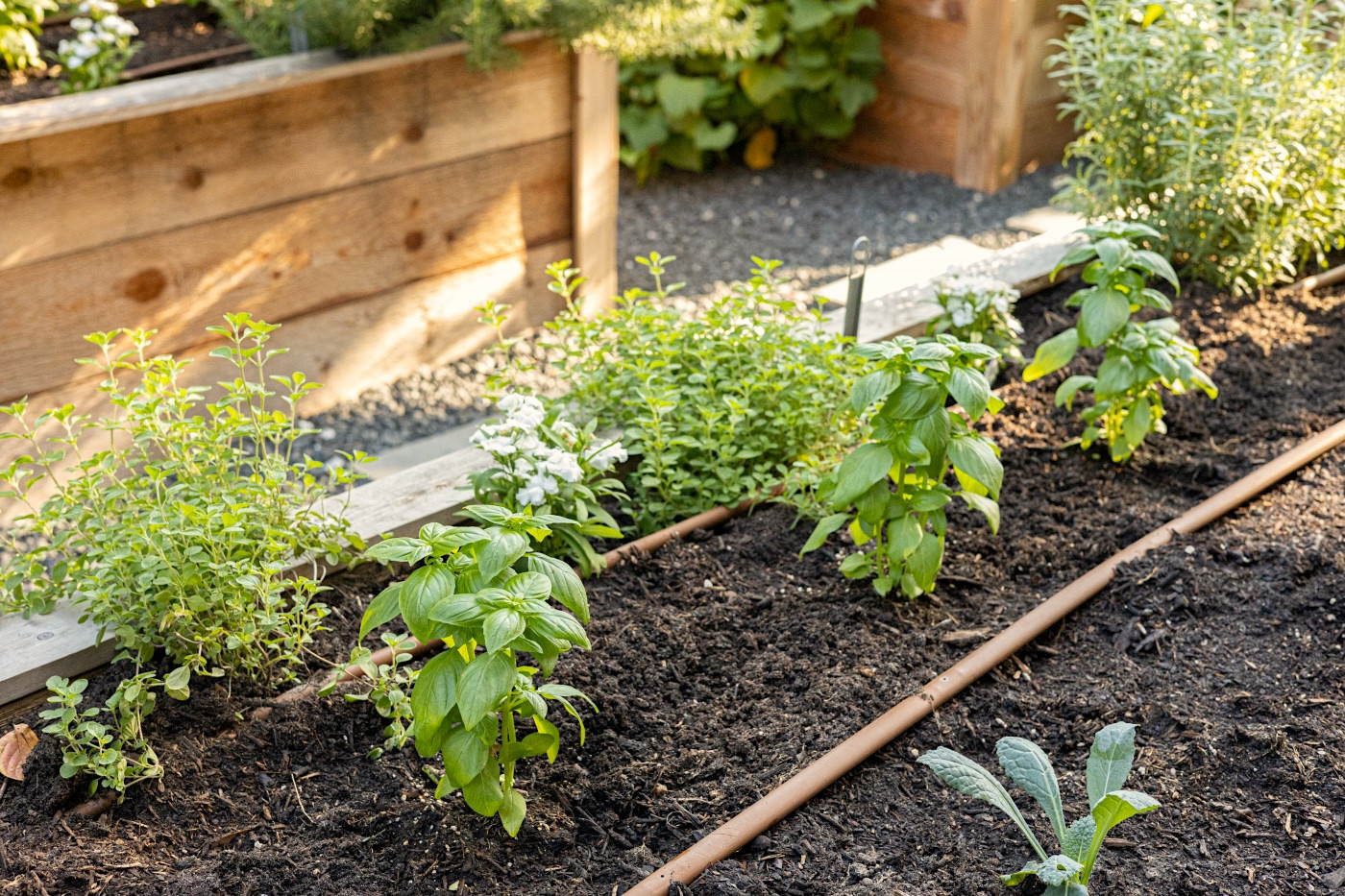
| Use drip irrigation or soaker hoses | Delivers water directly to roots |
| Mulch around plants | Keeps soil moist longer |
Credit: www.gardenary.com
Seasonal Planting Guide
Raised garden beds are great for growing many plants. Choosing the right plants for each season helps your garden thrive.
This guide shows what to plant in spring, summer, and fall for the best results.
Spring Choices
Spring is the time to start cool-weather crops. These plants grow well in mild temperatures and often mature quickly.
Good spring plants include many vegetables and herbs that like fresh air and moist soil.
- Lettuce
- Spinach
- Radishes
- Peas
- Carrots
- Broccoli
- Chives
- Cilantro
Summer Favorites
Summer plants enjoy warm temperatures and longer days. Raised beds warm up fast, helping these plants grow strong.
Choose heat-loving vegetables and herbs for summer planting in your raised garden bed.
- Tomatoes
- Peppers
- Zucchini
- Cucumbers
- Basil
- Beans
- Eggplant
- Marigolds (to deter pests)
Fall Options
Fall is cooler but still good for planting. Many fall crops grow well and can handle light frost.
Pick plants that finish growing before winter or that improve soil for next spring.
- Kale
- Brussels sprouts
- Turnips
- Beets
- Garlic (plant late fall)
- Swiss chard
- Collard greens
- Radicchio

Credit: www.vegega.com
Frequently Asked Questions
What Vegetables Grow Best In Raised Garden Beds?
Leafy greens, tomatoes, peppers, carrots, and beans thrive in raised beds. They benefit from improved drainage and soil warmth. Raised beds offer ideal conditions for these vegetables, promoting healthy growth and better yields throughout the growing season.
How Do Raised Beds Improve Plant Growth?
Raised beds enhance soil drainage, reduce compaction, and increase root aeration. They warm up faster in spring, extending the growing season. This creates optimal conditions for plants, leading to healthier growth and higher productivity in your garden.
Can Herbs Be Grown In Raised Garden Beds?
Yes, herbs like basil, parsley, thyme, and cilantro grow well in raised beds. They benefit from the controlled soil environment and good drainage. Raised beds help herbs thrive by preventing waterlogging and promoting healthy root development.
What Flowers Are Suitable For Raised Garden Beds?
Marigolds, petunias, pansies, and zinnias are perfect for raised beds. These flowers prefer well-drained soil and ample sunlight, both provided by raised beds. They add color and attract pollinators, enhancing your garden’s health and beauty.
Conclusion
Raised garden beds offer great space for many plants. Choose vegetables, herbs, or flowers that suit your climate. Remember to pick plants with similar water and sunlight needs. This helps them grow healthy and strong together. Keep soil rich and water regularly for best results.
Raised beds make gardening easier and more fun. Start small, watch your garden grow, and enjoy fresh, homegrown produce. Gardening brings joy and a sense of peace. Try different plants each season to find your favorites. Your raised bed can become a beautiful, productive space.