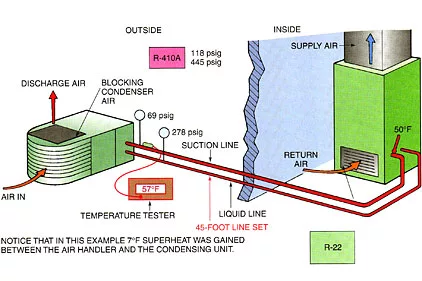
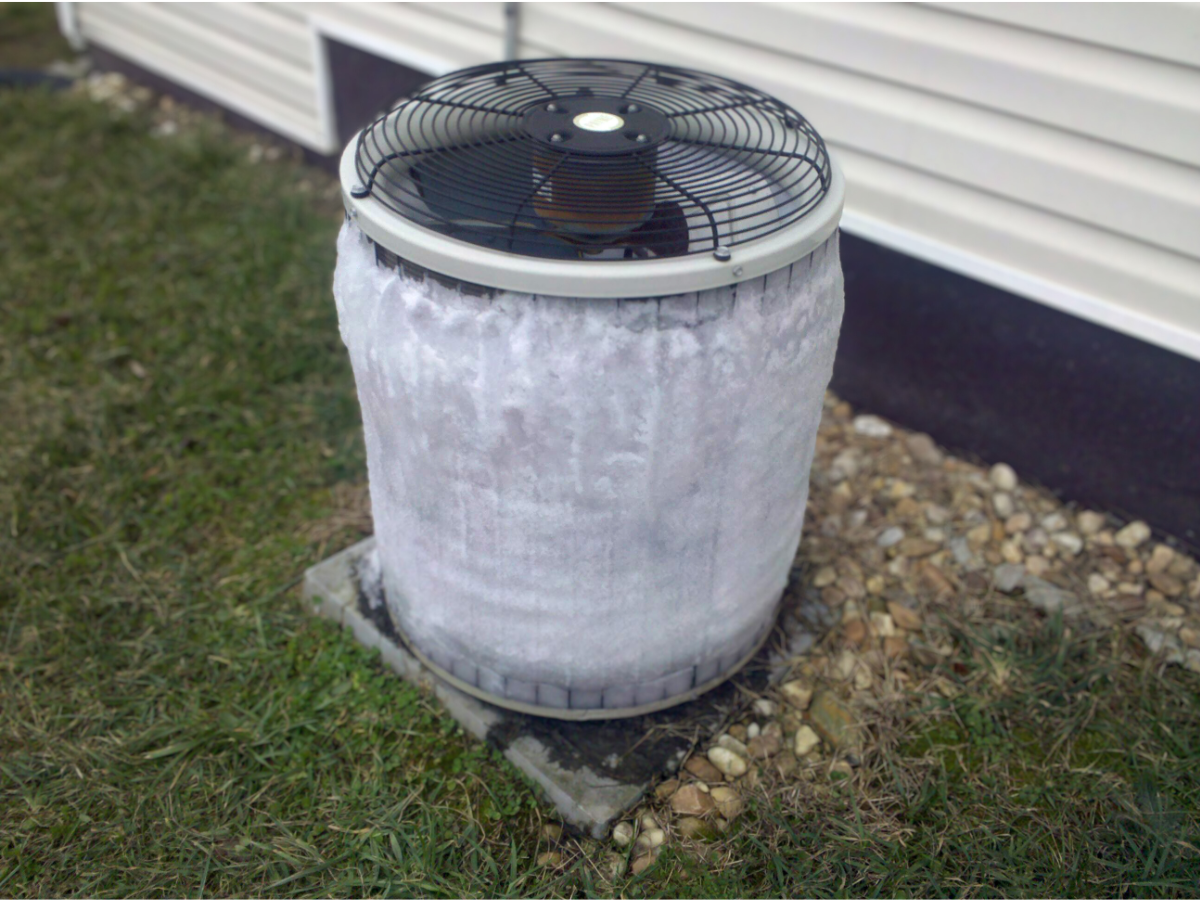
Have you ever noticed your air conditioner not cooling as it should, and upon inspection, found the evaporator coil wrapped in a thick layer of ice? It’s a puzzling sight, especially when your AC is supposed to cool your home, not freeze itself!
A frozen evaporator coil can leave you sweltering in discomfort, and the problem isn’t just about the immediate inconvenience. Understanding why this happens is crucial, as it can prevent costly repairs and ensure your cooling system runs efficiently. We’ll delve into the common reasons why an evaporator coil freezes up and what you can do to prevent it.
Stick with us, and you might just save yourself from a sweaty day and an expensive repair bill.
Credit: wheatandsons.com
Common Causes Of Coil Freezing
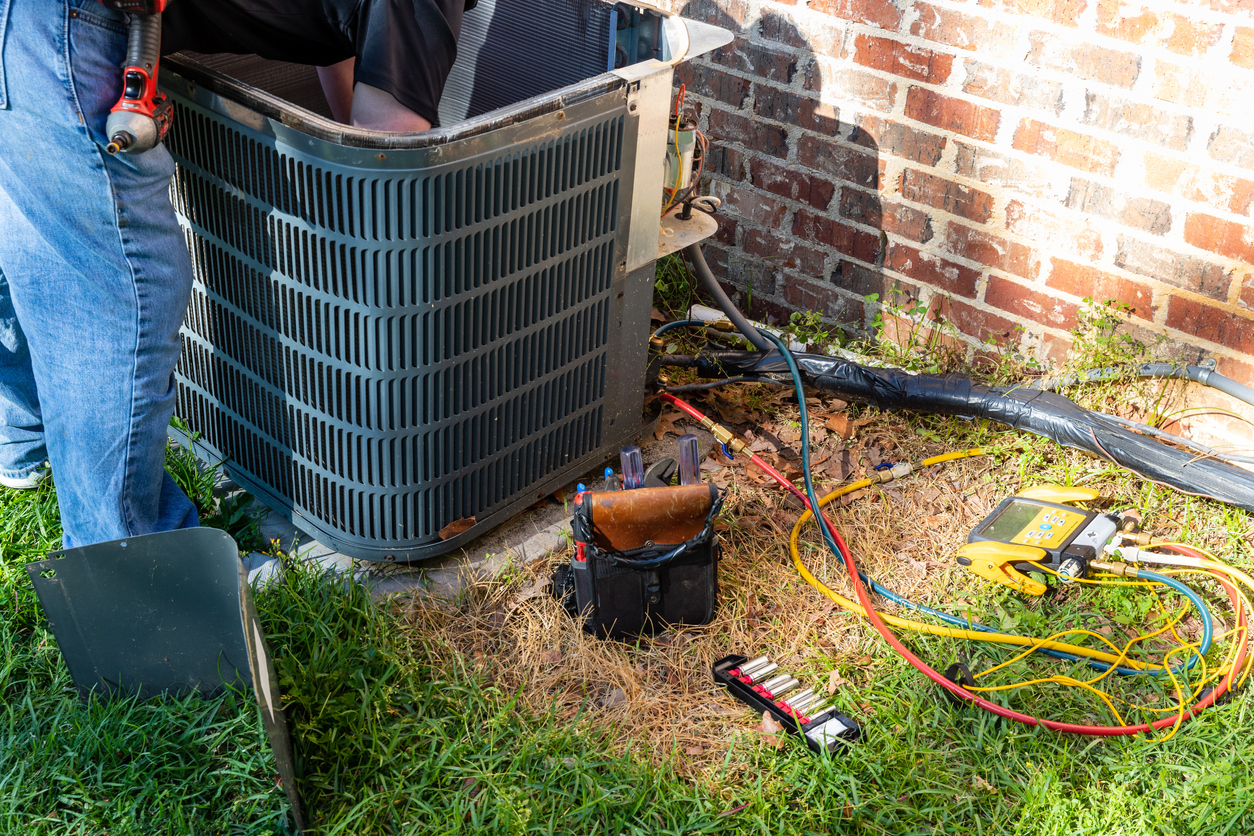
Understanding why your evaporator coil freezes can save you from costly repairs and discomfort. Several common issues cause this problem, often linked to how your HVAC system handles air and refrigerant. Recognizing these causes helps you act quickly and keep your system running smoothly.
Low Refrigerant Levels
When refrigerant levels drop, the pressure inside the coil decreases, causing the temperature to fall below freezing. This leads to ice forming on the coil’s surface. Have you checked your system for leaks? Low refrigerant often signals a leak that needs professional attention.
Poor Airflow Issues
Air needs to flow freely over the coil to absorb heat and prevent freezing. Blocked or restricted airflow means the coil stays too cold, creating ice buildup. Think about your last air filter change—was it overdue? Poor airflow is often a simple fix but easy to overlook.
Dirty Evaporator Coils
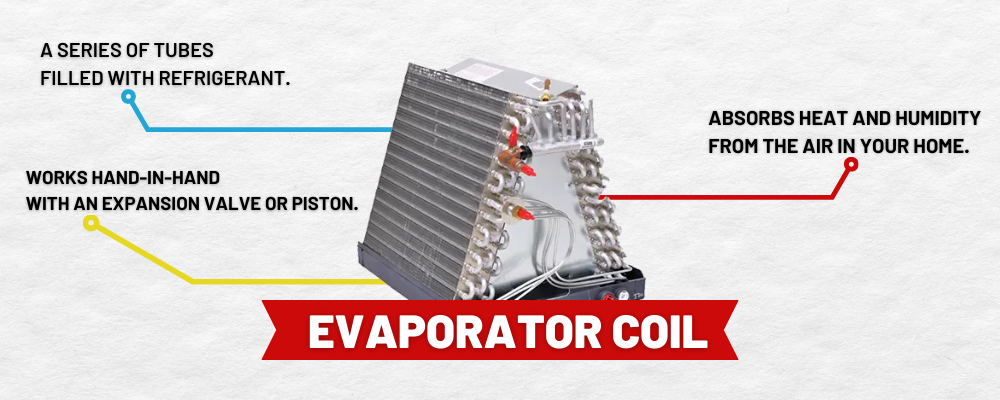
Dirt and debris on the coil act like insulation, stopping heat transfer. This causes the coil’s temperature to drop and ice to form. Cleaning your coils regularly can prevent this. How long has it been since you gave your system a good cleaning?
Thermostat Settings Problems
Setting your thermostat too low for extended periods can cause the coil to freeze. The system runs continuously, lowering coil temperature excessively. Consider if your thermostat settings match your home’s needs or if they encourage overcooling.
Faulty Blower Fan
The blower fan pushes air over the evaporator coil. If it’s not working correctly, airflow diminishes, leading to freezing. Listen for unusual noises or check if some rooms feel cooler than others—these can be signs of blower issues.
Blocked Or Closed Vents
Closed or blocked vents restrict air movement, causing uneven cooling and frozen coils. Make sure all vents are open and unblocked to maintain proper airflow. Could a piece of furniture or dust be blocking your vents without you realizing it?
Credit: trustgreenway.com
Effects Of A Frozen Evaporator Coil
A frozen evaporator coil can cause more than just a chilly surprise inside your HVAC system. Its effects ripple through your cooling system, impacting performance, costs, and even the lifespan of your equipment. Understanding these consequences helps you spot issues early and take action before the damage grows.
Reduced Cooling Efficiency
When your evaporator coil freezes, it blocks the airflow needed to cool your home. This means the air conditioner has to work harder to reach the temperature you want. Have you noticed rooms staying warmer despite your AC running nonstop? That’s a clear sign of reduced cooling efficiency caused by a frozen coil.
Increased Energy Consumption
A frozen coil forces your system to use more energy to maintain comfort levels. The compressor and fans run longer, pushing your electricity bills higher. If your energy costs suddenly spike without an obvious reason, a frozen evaporator coil might be the culprit draining your wallet.
Potential System Damage
Ignoring a frozen evaporator coil can lead to serious damage. The compressor can overheat and fail, resulting in costly repairs or a full system replacement. Have you ever faced unexpected HVAC repair bills? Preventing coil freeze-ups could save you from that headache and keep your system running smoothly.
How To Diagnose A Frozen Coil
Diagnosing a frozen evaporator coil is key to restoring your HVAC system’s efficiency. Catching the issue early prevents bigger problems and costly repairs. Let’s look at how you can identify a frozen coil yourself and what signs to watch for.
Visual Inspection Tips
Start by turning off your HVAC system to avoid damage during inspection. Look closely at the evaporator coil inside your air handler or furnace. A frozen coil usually appears frosted over or covered in ice, sometimes with water dripping nearby.
Check for any dirt buildup on the coil surface. Dust and debris can block airflow, causing the coil to freeze. If you see thick ice, it’s a clear sign your system isn’t circulating air properly.
Checking Airflow
Poor airflow is a common cause of coil freezing. Feel the vents in your home—are they blowing cold, warm, or weak air? Weak airflow could mean a clogged filter, blocked vents, or a failing blower fan.
Inspect your air filter and replace it if it looks dirty. A clean filter helps maintain steady airflow and prevents the coil from freezing. Have you noticed uneven cooling in your rooms? That’s a red flag for airflow issues.
Refrigerant Pressure Testing
Low refrigerant levels can lead to coil freeze-up. Testing refrigerant pressure requires specific tools and expertise, but you can still observe some signs. If your system runs longer than usual yet the air stays warm, low refrigerant might be the culprit.
Calling a certified HVAC technician to check refrigerant pressure can save you from bigger damage. They will use gauges to measure pressure and detect leaks. Have you ever had to refill refrigerant? It’s a good reminder to keep your system checked regularly.
Diy Fixes For Frozen Coils
Frozen evaporator coils can stop your air conditioner from working well. Fixing them quickly prevents damage and keeps your home cool. Some simple DIY fixes can help thaw and clean the coils. These steps also improve airflow and system efficiency. Use these tips to handle frozen coils safely and effectively.
Turning Off The System To Thaw
Switch off the air conditioner to stop freezing. This lets the ice melt naturally without harm. Use a fan to speed up thawing inside the room. Avoid using sharp tools to chip ice off the coils. Wait until all ice is gone before turning the system back on.
Cleaning The Coils
Dirty coils reduce airflow and cause freezing. Clean the coils gently with a soft brush or cloth. Remove dust, dirt, and debris carefully. Use coil cleaner spray if available, following product instructions. Clean coils help the system run smoothly and prevent freeze-ups.
Opening Vents And Filters
Blocked vents and filters reduce airflow, leading to frozen coils. Check all vents to ensure they are open and unobstructed. Clean or replace air filters regularly to improve air movement. Better airflow stops ice buildup and keeps cooling efficient.
Adjusting Thermostat Settings
Set the thermostat to a moderate temperature to avoid coil freezing. Very low temperatures cause the coils to freeze quickly. Raise the temperature slightly if ice forms repeatedly. Use a fan-only mode sometimes to keep air moving without cooling.
When To Call A Professional
Knowing when to call a professional for a frozen evaporator coil can save you time, money, and stress. While some issues might seem easy to fix, others require specialized knowledge and tools. It’s important to recognize signs that point to deeper problems beyond simple cleaning or resetting.
Handling Refrigerant Issues
Low refrigerant levels often cause evaporator coils to freeze. However, recharging refrigerant isn’t a DIY job. Professionals have the equipment to check for leaks and safely add refrigerant without harming your system or the environment.
If you notice hissing sounds or an unexplained drop in cooling efficiency, it’s a clear sign to call an expert. Trying to handle refrigerant yourself can lead to more damage or even health risks.
Repairing Blower Fans
The blower fan moves air over the evaporator coil to keep it from freezing. If the fan is broken or clogged, the coil doesn’t get enough airflow, leading to ice buildup. Fixing or replacing blower fans requires mechanical skill and electrical know-how.
Look for uneven airflow or strange noises from your vents. These symptoms mean your blower fan might be malfunctioning. A technician can quickly diagnose and repair this to prevent further coil damage.
Dealing With Complex Electrical Problems
Frozen evaporator coils can result from electrical issues like faulty thermostats, relays, or wiring. These problems are tricky to spot without proper training. Handling electrical components without experience can be dangerous and cause more system failures.
If your HVAC system behaves erratically or won’t turn on, it’s time to get professional help. Skilled technicians use diagnostic tools to find the root cause and make safe repairs.
Credit: www.logan-inc.com
Preventing Future Coil Freezing
Preventing your evaporator coil from freezing up again is key to keeping your HVAC system running smoothly and avoiding costly repairs. You can take simple but effective actions that make a big difference in coil performance. Understanding these preventive measures will help you spot issues early and maintain comfort in your home.
Regular Maintenance Tips
Regular maintenance is your first line of defense against coil freezing. Clean the evaporator coil and surrounding components to remove dust and debris that block airflow. Check the refrigerant levels and look for any signs of leaks, as low refrigerant can cause freezing.
Think about the last time you cleaned your vents or checked your system’s drain line. Neglecting these small tasks can reduce efficiency and increase the chance of ice buildup. Keep a maintenance checklist and stick to it—your system will thank you.
Replacing Air Filters
Dirty air filters restrict airflow, forcing your system to work harder and making the evaporator coil more likely to freeze. You should replace your air filters every 1 to 3 months depending on usage and air quality. This simple step improves airflow dramatically and reduces strain on your HVAC.
Consider using high-quality filters that capture more dust and allergens. Have you checked your filter lately? If it looks clogged or grey, it’s time for a change. Clean filters not only protect the coil but also improve the air you breathe.
Scheduling Professional Inspections
Even with regular upkeep, some problems require a trained eye. Scheduling professional inspections at least once a year can catch hidden issues like refrigerant leaks or electrical problems. A technician can also perform a thorough coil cleaning and system tune-up.
Think of the inspection as a health checkup for your HVAC. Would you skip your own annual checkup? Don’t let minor coil issues turn into major repairs. Booking an inspection before the cooling season starts can save you headaches and money.
Frequently Asked Questions
Why Does My Evaporator Coil Freeze Up Frequently?
Evaporator coils freeze due to restricted airflow, low refrigerant, or dirty filters. Poor maintenance blocks air circulation. Low refrigerant levels drop coil temperature, causing ice buildup. Regular inspection and cleaning prevent freezing and ensure efficient cooling.
How Does Low Refrigerant Cause Coil Freezing?
Low refrigerant reduces pressure in the coil, lowering its temperature. This causes moisture to freeze on the coil surface. The ice buildup blocks airflow and worsens freezing. Timely refrigerant recharge solves the issue and restores proper cooling.
Can Dirty Air Filters Lead To Coil Freezing?
Yes, dirty air filters block airflow over the coil. This causes the coil to become too cold and freeze. Regular filter replacement ensures proper airflow, preventing ice buildup and maintaining HVAC system efficiency.
What Role Does Airflow Play In Coil Freezing?
Proper airflow keeps the coil temperature above freezing. Reduced airflow causes the coil to get too cold and freeze. Blocked vents, dirty filters, or fan issues reduce airflow. Ensuring clean filters and unobstructed vents prevents freezing problems.
Conclusion
A frozen evaporator coil can cause many problems for your AC system. Poor airflow and low refrigerant often cause the freeze-up. Regular maintenance helps keep the coil clean and prevents ice build-up. Catching issues early saves money and avoids discomfort.
Pay attention to your system’s performance and act fast. A healthy coil means better cooling and lower energy bills. Stay aware, and your air conditioner will work smoothly all summer.