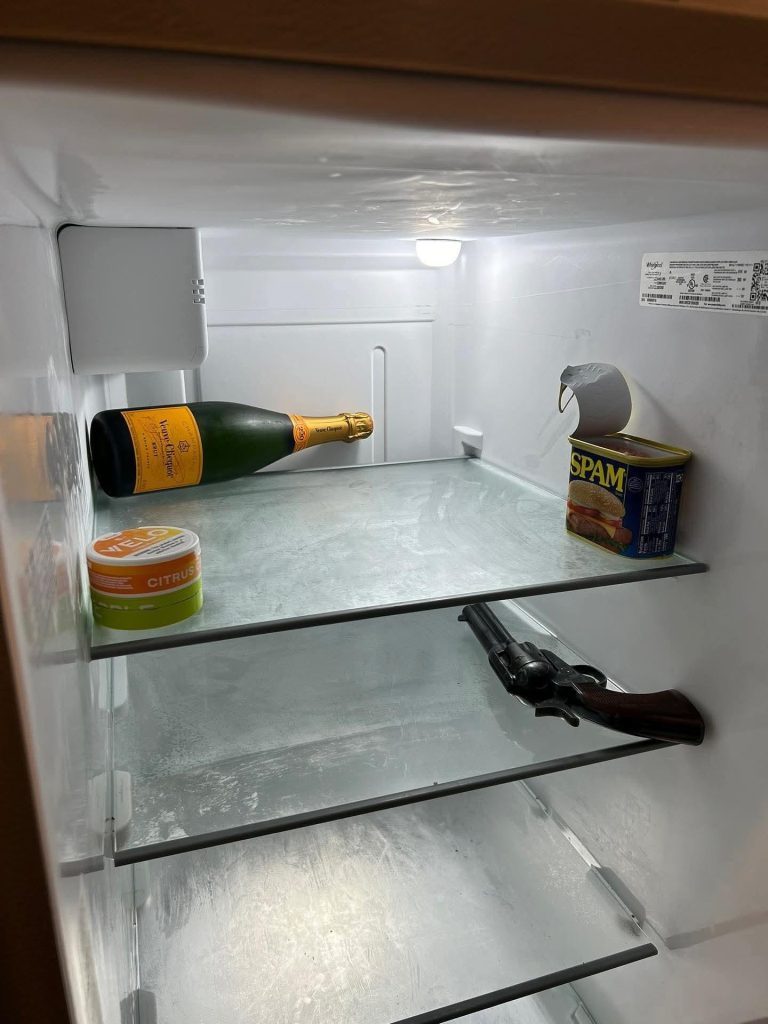
Picture this: you’re planning a celebration, and you want your champagne to be perfectly chilled. In a rush, you pop it into the freezer, hoping for that ideal temperature.
But then, a question pops into your mind—will champagne explode in the freezer? It’s a common concern that many of us have faced, and understanding the answer could save your party and your precious bubbly. If you’ve ever worried about the aftermath of forgetting that bottle in the freezer, you’re not alone.
This article will delve into the science behind champagne and freezing temperatures, ensuring you never have to clean up a sticky mess. Keep reading to discover the truth about champagne in the freezer, and you’ll be equipped to keep your celebrations on track without any explosive surprises.
Champagne And Freezing Temperatures
Champagne is known for its delicate bubbles and crisp flavor, but how does it react to freezing temperatures? Many people wonder if freezing champagne is safe or if it will ruin the bottle. Understanding what happens when champagne freezes can help you avoid costly mistakes and enjoy your bubbly at its best.
How Freezing Affects Champagne
Freezing champagne changes its texture and taste. The cold causes the liquid to expand, which can alter the bubbles you love. You might notice a flat or dull flavor after freezing.
Freezing can also separate the components in champagne, affecting its balance. When the ice melts, the champagne may taste watery or less vibrant. If you’ve ever accidentally left a bottle in the freezer too long, you’ve likely experienced this firsthand.
What Happens Inside The Bottle
Inside the bottle, freezing champagne creates pressure. Since liquid expands as it freezes, the bottle’s glass faces stress. This pressure can crack or even explode the bottle if left too long.
Even if the bottle doesn’t break, the cork may pop out due to increased pressure. This can cause a messy surprise in your freezer. Have you ever heard a loud pop from your freezer and wondered what it was? That might have been a frozen champagne bottle releasing pressure.

Credit: choicewineries.com
Can Champagne Explode In The Freezer?
Storing champagne in the freezer might seem like a quick way to chill it, but have you ever wondered if this could cause the bottle to explode? The idea of a fizzy bottle bursting in the cold might sound like a party hazard. Understanding what really happens inside the bottle can help you avoid a potential mess and enjoy your champagne safely.
Pressure Build-up Explained
Champagne is bottled under high pressure, usually around 90 pounds per square inch. This pressure comes from the carbon dioxide dissolved in the liquid, which creates the bubbles you love. When you freeze champagne, the liquid expands as it turns to ice, increasing the pressure inside the bottle even more.
Since glass bottles are rigid, this extra pressure can push the limits of the glass strength. If the pressure becomes too great, the bottle can crack or explode. This is why freezing champagne is risky—it’s not just about chilling the drink, but managing the intense pressure changes within the bottle.
Real-life Incidents
Many people have experienced the shock of a frozen champagne bottle bursting unexpectedly. One friend of mine put a bottle in the freezer for a quick chill and returned minutes later to a shattered bottle and champagne flooding the freezer. It’s not just a nuisance but a real safety hazard.
In another case, a party guest tried to open a partially frozen bottle and the cork shot out with dangerous force. These incidents show that freezing champagne isn’t just about temperature—it’s about controlling pressure to prevent accidents.
Have you ever tried freezing sparkling wine or champagne? What was your experience? Knowing these risks, would you still use the freezer to chill your bubbly?
Safe Ways To Chill Champagne Quickly
Chilling champagne quickly requires care to keep it safe and tasty. Rapid cooling can be done without risking the bottle bursting or losing bubbles. Use simple tools and easy methods to get champagne cold fast. These ways protect the flavor and pressure inside the bottle.
Using Ice And Salt
This classic trick cools champagne fast. Fill a bucket with ice and add a good amount of salt. Salt lowers the freezing point of ice, making the mixture colder.
- Place the champagne bottle in the ice and salt mixture.
- Make sure the bottle is covered up to the neck.
- Wait about 20 to 30 minutes for a perfect chill.
This method cools the bottle evenly without freezing the champagne. The salt and ice combo speeds up the chilling safely.
Cold Water Bath Method
Use cold water with ice cubes for a quick chill. Fill a container with cold water and ice.
- Submerge the champagne bottle fully in the water.
- Stir the water gently to keep it cold all around.
- Chill for 15 to 20 minutes for best results.
This method cools faster than just ice alone. Water touches the bottle surface fully, speeding up cooling.
Risks Of Freezing Champagne
Freezing champagne carries several risks that can affect your drink’s enjoyment. The delicate balance of bubbles and flavor can change. The pressure inside the bottle also increases when the liquid freezes. These changes can spoil your champagne and cause safety concerns.
Impact On Flavor And Quality
Freezing champagne can dull its fresh taste. The cold temperature affects the bubbles, making them flat. The wine’s aroma and subtle flavors may weaken or disappear. Texture changes can make the drink feel watery or harsh. These effects reduce the overall quality and enjoyment.
Potential Bottle Damage
Champagne expands as it freezes, putting pressure on the bottle. This pressure can crack or break the glass. A broken bottle can cause injury and a mess. Even if the bottle does not break, the cork might pop out. This can lead to loss of champagne and safety hazards.
Tips For Storing Champagne Properly
Proper storage of champagne keeps its taste fresh and bubbles lively. Poor storage can harm the flavor or even cause bottle damage. Understanding the right conditions helps maintain champagne’s quality over time.
Ideal Temperature And Conditions
Champagne should be stored in a cool, dark place. The perfect temperature is between 45°F and 55°F (7°C to 13°C). Temperatures outside this range can spoil the taste.
Keep bottles away from sunlight and strong light. Light can degrade the wine and cause off-flavors. Store bottles horizontally to keep the cork moist and airtight.
Humidity is important too. Aim for about 70% humidity to prevent corks from drying out. Dry corks let air in, which spoils the champagne.
Avoiding Freezing And Overheating
Freezing champagne can cause the liquid to expand and break the bottle. Avoid placing bottles in the freezer. Rapid cooling can also make the cork pop unexpectedly.
High heat damages champagne’s flavor. Never leave bottles in a hot car or near heat sources. Heat causes bubbles to fade and flavors to flatten.
Use a wine fridge or a cool cellar for best results. These keep temperature steady and protect champagne from damage.

Credit: choicewineries.com

Credit: www.vinovest.co
Frequently Asked Questions
Will Champagne Explode If Frozen In The Freezer?
Yes, champagne can explode if frozen. Freezing causes the liquid to expand, increasing pressure inside the bottle. This pressure buildup can make the cork pop or the bottle shatter, creating a mess and wasting the champagne.
How Long Can Champagne Stay In The Freezer Safely?
Champagne should not stay in the freezer for more than 20-30 minutes. Prolonged freezing risks bottle breakage or cork explosion due to expanding liquid and rising pressure inside the bottle.
Can Freezing Champagne Affect Its Taste And Quality?
Freezing champagne can negatively affect its taste and quality. Ice crystals can alter the texture, and rapid temperature changes may dull the delicate flavors and bubbles, reducing the overall drinking experience.
What Is The Best Way To Chill Champagne Quickly?
The best quick-chilling method is an ice-water bath with salt. This cools champagne evenly within 20 minutes without freezing, preserving its bubbles and flavor without risking bottle damage.
Conclusion
Champagne can explode if frozen too long or too cold. The liquid expands and pressure builds inside the bottle. This can cause the cork to pop or glass to break. It’s safer to chill champagne in the fridge instead. Quick chilling in the freezer is possible but only for 15-20 minutes.
Always watch the time to avoid accidents. Enjoy your drink safely and keep it cool without risk. Simple care keeps your celebration worry-free and fun.